En
En
 CN
CN
 AR
AR
 NL
NL
 FR
FR
 DE
DE
 HI
HI
 IT
IT
 JA
JA
 KO
KO
 PT
PT
 RU
RU
 ES
ES
 ID
ID
 VI
VI
 TH
TH

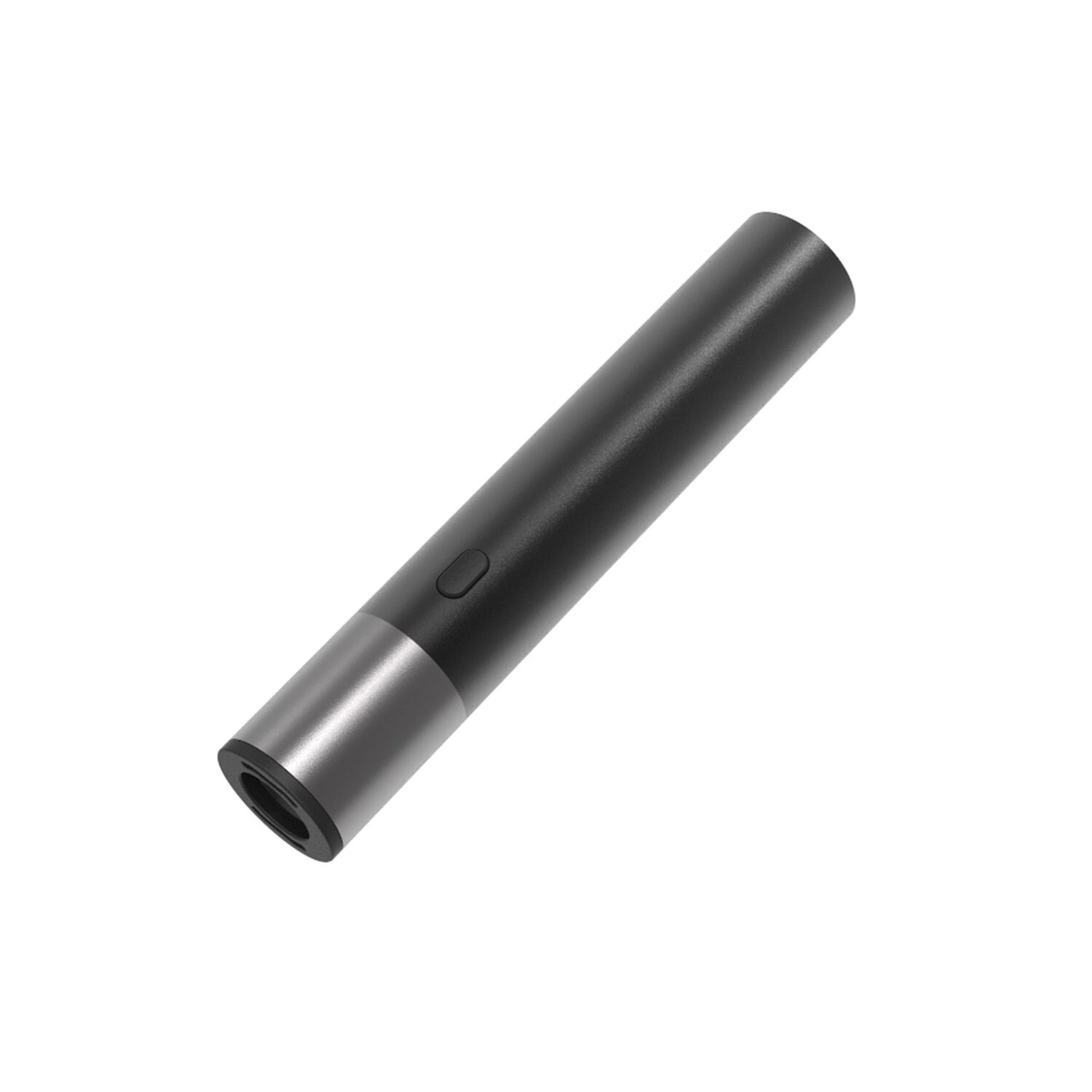
What Voltage Is Best for a Stun Gun?
Subtitle:
Understanding real performance factors beyond marketing numbers in modern stun devices
When selecting a stun gun, one of the most common questions buyers ask is about voltage.
Many products in the market advertise extremely high voltage numbers, often reaching into the millions. For new buyers, this can be confusing and sometimes misleading.
In reality, voltage alone does not determine the effectiveness or quality of a stun device. For importers, distributors, and professional buyers, understanding what truly matters is far more important than focusing on a single specification.
Why Voltage Numbers Can Be Misleading
Marketing vs Real Performance
In many cases, the voltage values advertised in the market are not standardized measurements. Different manufacturers may use different testing methods, or in some cases, use exaggerated figures for marketing purposes.
As a result, comparing products based solely on voltage can lead to inaccurate conclusions.
Effectiveness Depends on More Than Voltage
The actual performance of a stun gun depends on multiple factors working together, including:
- electrical output stability
- current delivery
- contact efficiency
- internal circuit design
A device with a well-designed system can perform reliably even if the stated voltage is lower than competitors.
What Really Matters in a Stun Gun?
Stable Electrical Output
Consistency is more important than peak numbers.
A reliable stun device should deliver stable output every time it is used. Unstable output can reduce effectiveness and create uncertainty during use.
Build Quality and Internal Structure
The internal design of the device directly affects performance.
High-quality stun guns typically feature:
- well-designed circuitry
- durable electrode structure
- reliable insulation and safety systems
These elements ensure consistent operation and long-term durability.
Battery and Power System
Modern stun devices often use rechargeable lithium battery systems.
A stable power supply ensures:
- consistent discharge performance
- longer usage cycles
- reliable operation in different environments
Devices with poor battery quality may show strong output initially but weaken quickly over time.
Contact Design
Effective performance also depends on how well the device makes contact.
The spacing and design of electrodes influence:
- arc stability
- discharge efficiency
- overall effectiveness
This is why structural design plays a critical role in real-world performance.
How Professional Buyers Evaluate Stun Guns
Experienced buyers do not rely on voltage numbers alone.
Instead, they focus on:
- product consistency across batches
- reliability during repeated use
- durability of materials
- overall design and functionality
These factors are especially important in bulk purchasing, where consistency matters more than individual performance.
Market Trends: Moving Beyond Voltage
In today’s market, buyers are becoming more informed.
Instead of focusing on exaggerated specifications, they are looking for:
- realistic performance
- multifunctional design
- durable construction
- reliable manufacturing
Modern stun devices often integrate additional features such as high-lumen flashlights, warning modes, and improved ergonomic design, making them more practical for real-world applications.
Choosing the Right Product for Your Market
The best stun gun is not the one with the highest advertised voltage, but the one that delivers consistent and reliable performance.
For distributors and importers, selecting the right product means understanding customer needs and choosing devices that balance performance, durability, and usability.
Products designed with stable output, solid construction, and practical features are more likely to succeed in the market than those relying on unrealistic specifications.
Conclusion
Voltage is often the most visible specification in stun gun marketing, but it is not the most important factor.
Real performance comes from a combination of design, engineering, and manufacturing quality.
For professional buyers, focusing on these elements leads to better purchasing decisions, fewer quality issues, and stronger long-term business results.
In a market where reliability matters more than numbers, understanding the difference between marketing claims and actual performance is the key to success.