En
En
 CN
CN
 AR
AR
 NL
NL
 FR
FR
 DE
DE
 HI
HI
 IT
IT
 JA
JA
 KO
KO
 PT
PT
 RU
RU
 ES
ES
 ID
ID
 VI
VI
 TH
TH

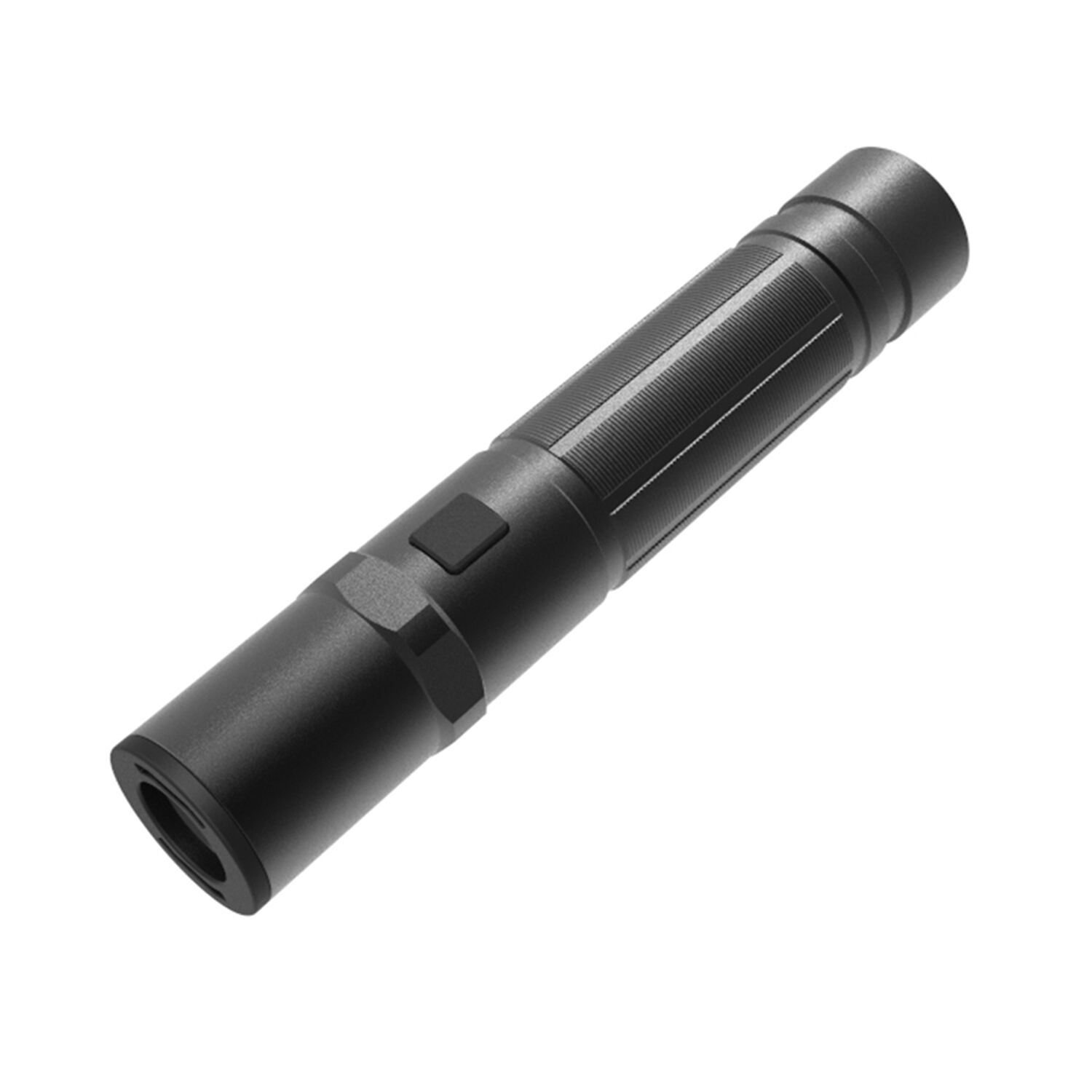
Can You Import Stun Guns and Batons Legally? What Buyers Must Know
Subtitle:
Understanding regulations, shipping requirements, and compliance factors before importing security equipment
Importing stun guns and batons is very different from importing ordinary consumer products.
For distributors, wholesalers, and procurement companies, one of the biggest concerns is whether these products can be imported legally and shipped smoothly into their target market.
Because security equipment regulations vary widely between countries, understanding the legal and logistical requirements before placing an order is essential.
Ignoring these factors can lead to customs delays, shipment seizures, financial losses, or compliance problems.
Why Regulations Differ Between Countries
Different Legal Classifications
In some countries, stun guns and batons are considered civilian self-defense tools. In others, they may be classified as restricted law enforcement equipment.
Because of this, import requirements can vary significantly depending on:
- local laws
- end-user restrictions
- licensing requirements
- product specifications
What is acceptable in one market may require special approval in another.
Government and Law Enforcement Restrictions
Some countries allow unrestricted commercial imports, while others limit sales to:
- police departments
- military organizations
- licensed security companies
For project-based procurement, buyers may need additional documentation or government approval before customs clearance.
This is especially common in government tenders and institutional purchases.
What Buyers Should Check Before Importing
Confirm Local Import Regulations
Before placing an order, buyers should always verify:
- whether the product is legally permitted
- whether import licenses are required
- whether special certifications are necessary
This step helps avoid unnecessary risks during customs clearance.
Understand Product Classification
Different products may fall under different customs categories.
For example:
- expandable batons
- stun batons
- pepper spray
- anti-riot equipment
may each be treated differently under local regulations.
Correct classification is important for documentation and shipping arrangements.
Check Documentation Requirements
Professional suppliers should be able to provide documentation such as:
- commercial invoice
- packing list
- product specifications
- certificate information if required
Accurate documentation reduces the risk of customs delays and improves shipment efficiency.
Why Export Experience Matters
Security equipment shipments require more attention than ordinary goods.
Experienced exporters understand:
- shipping restrictions
- packaging requirements
- customs documentation procedures
- export coordination processes
This experience helps buyers avoid common mistakes that may affect delivery.
For project buyers and importers handling regular shipments, working with an experienced supplier significantly reduces operational risk.
Shipping Considerations for Stun Guns and Batons
Air Freight vs Sea Freight
Different products may require different shipping methods.
In many cases:
- batons are commonly shipped by sea or air
- stun devices may require additional transportation review depending on regulations
The appropriate shipping solution depends on:
- destination country
- product category
- order quantity
- local import policy
Packaging and Labeling
Professional packaging is also important.
Products should be packaged to:
- prevent transport damage
- meet shipping standards
- comply with labeling requirements if applicable
Improper packaging can create unnecessary inspection issues during transportation.
How Professional Buyers Reduce Import Risks
Experienced importers usually follow a structured process before confirming an order.
This often includes:
- verifying regulations in advance
- confirming product specifications carefully
- reviewing shipping methods
- working with suppliers familiar with international export procedures
This approach helps ensure smoother customs clearance and more reliable delivery timelines.
Why Communication with Suppliers Is Critical
Clear communication reduces misunderstandings and improves operational efficiency.
Buyers should work with suppliers who can:
- explain product details clearly
- respond quickly to compliance questions
- provide accurate shipping information
- support documentation preparation
In international business, professional communication is often just as important as product quality.
Long-Term Market Perspective
As global demand for security and non-lethal equipment continues to grow, many markets are strengthening regulations and procurement standards.
This means buyers are increasingly prioritizing:
- reliable suppliers
- compliant products
- professional export support
Working with experienced manufacturers helps businesses adapt more effectively to changing market requirements.
Conclusion
Importing stun guns and batons legally requires more than simply placing an order.
Buyers must understand local regulations, product classifications, documentation requirements, and shipping procedures before moving forward.
By working with experienced suppliers and preparing carefully in advance, importers can significantly reduce customs risks and improve supply chain stability.
In today’s international security equipment market, compliance and professionalism are becoming just as important as product quality itself.
Table of Contents
- Subtitle:
- Why Regulations Differ Between Countries
- What Buyers Should Check Before Importing
- Why Export Experience Matters
- Shipping Considerations for Stun Guns and Batons
- How Professional Buyers Reduce Import Risks
- Why Communication with Suppliers Is Critical
- Long-Term Market Perspective
- Conclusion