En
En
 CN
CN
 AR
AR
 NL
NL
 FR
FR
 DE
DE
 HI
HI
 IT
IT
 JA
JA
 KO
KO
 PT
PT
 RU
RU
 ES
ES
 ID
ID
 VI
VI
 TH
TH

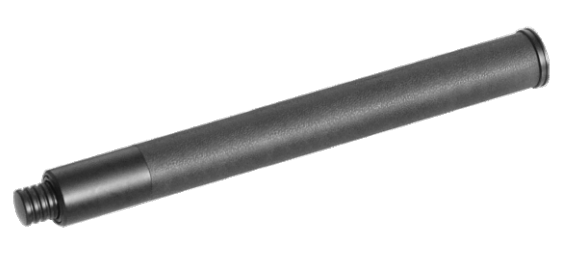
✨ Steel vs Aluminum Expandable Batons: What Do Professional Buyers Really Choose?
? Subtitle: Understanding material differences to select the right baton for law enforcement, security, and wholesale markets
Introduction
When sourcing expandable batons for professional use, one of the most important decisions buyers face is choosing between steel and aluminum construction.
While both materials are widely used in the market, their performance, durability, and application scenarios differ significantly. For distributors, importers, and government procurement buyers, understanding these differences is essential to making the right purchasing decision.
Material Comparison: Steel vs Aluminum
Critical Evaluation Factors
1. Structural Performance
• Steel: Undergoes heat treatment for exceptional impact/deformation resistance
• Aluminum: Achieves strength-to-weight balance through high-grade alloys (e.g., 7075)
2. Locking Mechanisms
Professional-grade systems include:
? Disc lock: Stable extension
? Cam-lock: Multi-point reliability
? Spring-loaded deployment for tactical scenarios
3. Ergonomics
✋ Anti-slip rubber handles
? Textured/square-pattern grips for control in wet/high-stress conditions
?️ Injection-molded durability
4. Tactical Features
? Glass breaker tips (emergency rescue)
? 360° rotation holsters (quick draw)
? Retaining rings (prevents slippage during dynamic movement)
Strategic Buyer Considerations
❗ Application-Driven Selection
- Aluminum: Everyday use where mobility > maximum force
- Steel: Professional/tactical environments demanding durability
? Market Positioning
Many distributors stock both to:
→ Cover wide customer base
→ Meet divergent regulatory standards
→ Enhance product portfolio versatility
Conclusion
Selecting between steel and aluminum is not merely technical—it’s strategic:
? Steel for scenario where strength trumps weight
? Aluminum for applications prioritizing user comfort
As security markets evolve, professional buyers increasingly prioritize performance reliability over cost alone. The right material choice directly impacts long-term business success by aligning product specifications with end-user demands.
Recommendation for Buyers
Contact manufacturing specialists to discuss:
? Material certifications (e.g., 7075-T6, 4142 heat treatment)
? Customization options (branding, grip designs)
? Bulk order discounts for dual-material portfolios