En
En
 CN
CN
 AR
AR
 NL
NL
 FR
FR
 DE
DE
 HI
HI
 IT
IT
 JA
JA
 KO
KO
 PT
PT
 RU
RU
 ES
ES
 ID
ID
 VI
VI
 TH
TH

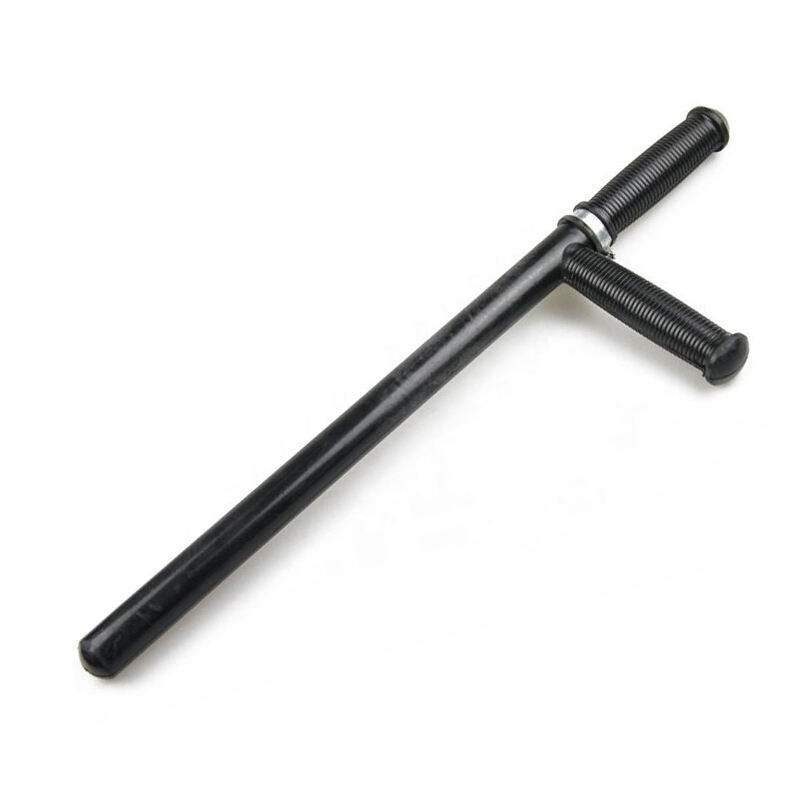
How to Choose a Reliable Police Baton Supplier for Bulk Orders?
Subtitle:
Key factors importers and distributors should evaluate before placing large-volume police baton orders
When purchasing police batons in bulk, choosing the right supplier is one of the most important decisions a buyer can make.
A competitive price may look attractive at first, but for importers, distributors, and government procurement buyers, price alone is never enough. Product consistency, delivery reliability, and manufacturing capability are all critical to the long-term success of a supply partnership.
Selecting the wrong supplier can lead to delayed shipments, unstable quality, and costly project risks.
That is why professional buyers focus on supplier reliability before making purchasing decisions.
The first factor to evaluate is whether the supplier is a real manufacturer.
Many suppliers in the market present themselves as manufacturers, but in reality, they are trading companies with limited control over production.
This creates uncertainty in key areas such as:
- raw material quality
- production scheduling
- quality inspection
- lead time control
A genuine manufacturer has direct control over the entire production process. This means better consistency, stronger quality assurance, and faster response when adjustments are needed.
For bulk orders, this level of control is essential.
The second factor is product quality consistency.
For police batons, consistency is critical because performance must remain stable across every unit.
If one shipment contains differences in:
- material strength
- locking stability
- handle grip quality
- surface finish
it can create serious problems for distributors and end users.
Reliable suppliers use standardized production procedures and quality control systems to ensure every batch meets the same specifications.
This is especially important for products such as expandable batons, where structural precision directly affects safety and performance.
Another important point is material and technical capability.
A qualified supplier should understand the structural requirements of different baton types and offer appropriate material options based on market needs.
For example:
- lightweight aluminum alloys for portability
- hardened alloy steel for tactical durability
- reinforced rubber structures for impact control
Suppliers with strong engineering capabilities can recommend suitable specifications for different applications instead of simply offering generic products.
This helps buyers choose products that match the needs of their target market.
Export experience is another key consideration.
Police batons and security equipment are not ordinary consumer goods. In many markets, these products involve strict shipping procedures, documentation requirements, and compliance standards.
Suppliers without sufficient export experience may cause:
- customs delays
- incorrect documentation
- shipping problems
- certification issues
Experienced suppliers understand these procedures and can help buyers avoid unnecessary risks during international transactions.
For importers handling regular or project-based orders, this expertise is extremely valuable.
The ability to provide customization support is also a strong indicator of supplier reliability.
Bulk buyers often require:
- logo engraving
- customized packaging
- special colors
- tactical accessories
A reliable supplier should be able to provide these services while maintaining consistent quality.
Customization capability shows that the supplier has flexible production management and the technical ability to meet market-specific requirements.
For distributors building their own brand, this is especially important.
Lead time stability is another critical factor.
In bulk purchasing, delayed production can create serious downstream problems, including missed sales windows and failed contract deadlines.
Reliable suppliers manage lead times through:
- organized production planning
- material inventory control
- stable manufacturing capacity
This ensures that delivery commitments are realistic and dependable.
For project buyers and government contracts, delivery reliability can be just as important as product quality.
Professional buyers should also assess the supplier’s communication efficiency.
Fast and accurate communication reduces misunderstandings and helps projects move smoothly.
A dependable supplier should be able to:
- confirm specifications clearly
- provide accurate lead times
- respond quickly to technical questions
- handle order updates efficiently
Good communication reflects good internal management.
In long-term cooperation, this often makes a major difference.
Finally, buyers should consider the supplier’s long-term partnership value.
The best supplier is not simply the one offering the lowest price, but the one capable of supporting stable business growth.
A reliable partner helps buyers by:
- maintaining consistent quality
- supporting market development
- improving product options
- reducing operational risks
This creates sustainable value over time.
In the police equipment industry, bulk purchasing decisions should be based on reliability, not short-term cost.
Choosing a professional police baton supplier means choosing stable quality, dependable delivery, and long-term business security.
For importers and distributors, the right supplier relationship can improve competitiveness, reduce risk, and create stronger growth opportunities in the market.