 En
En
 الصين
الصين AR
AR
 NL
NL
 FR
FR
 DE
DE
 HI
HI
 IT
IT
 JA
JA
 KO
KO
 PT
PT
 RU
RU
 ES
ES
 ID
ID
 VI
VI
 TH
TH

كيف يمكن لموزِّعي الجملة بناء خط منتجات قوي من مسدسات الصدمة؟
دليل عملي لاختيار المنتجات وتنظيم المحفظة التجارية والعمل مع مصنّعٍ موثوقٍ به
بالنسبة لمُستورد معدات الأمن أو الموزِّع الجملة، فإن إضافة أجهزة الصعق الكهربائي إلى المحفظة التجارية ليس مجرد أمرٍ يتعلَّق باختيار عدة طرازات من الكتالوج.
والتحدي الحقيقي هو بناء خط منتجاتٍ منطقيٍّ بالنسبة للسوق المستهدفة.
قد تختلف تفضيلات العملاء المختلفة فيما يتعلَّق بحجم المنتج وتصميمه ووظائفه وقدرته على الحمل والاستخدام المقصود. ويمكن لموزِّعٍ يفهم هذه الاختلافات أن يكوِّن نطاقًا من المنتجات أكثر فائدةً، ويتفادى ملء مخزونه بمنتجاتٍ تتداخل بشكلٍ كبيرٍ جدًّا.
ولهذا السبب، يجب أن يبدأ اختيار المنتجات من السوق والعميل — وليس من الكتالوج.
لماذا ينبغي على الموزِّعين بناء خط منتجاتٍ بدلًا من بيع طرازٍ واحدٍ فقط من أجهزة الصعق الكهربائي؟
لدى العملاء المختلفين متطلبات مختلفة
قد يخدم الموزِّع في الوقت نفسه عدة أنواعٍ من العملاء.
يمكن أن تختلف متطلبات الشراء لدى تجار معدات الأمن، والشركات الأمنية المهنية، والعلامات التجارية الخاصة، ومشتري المؤسسات.
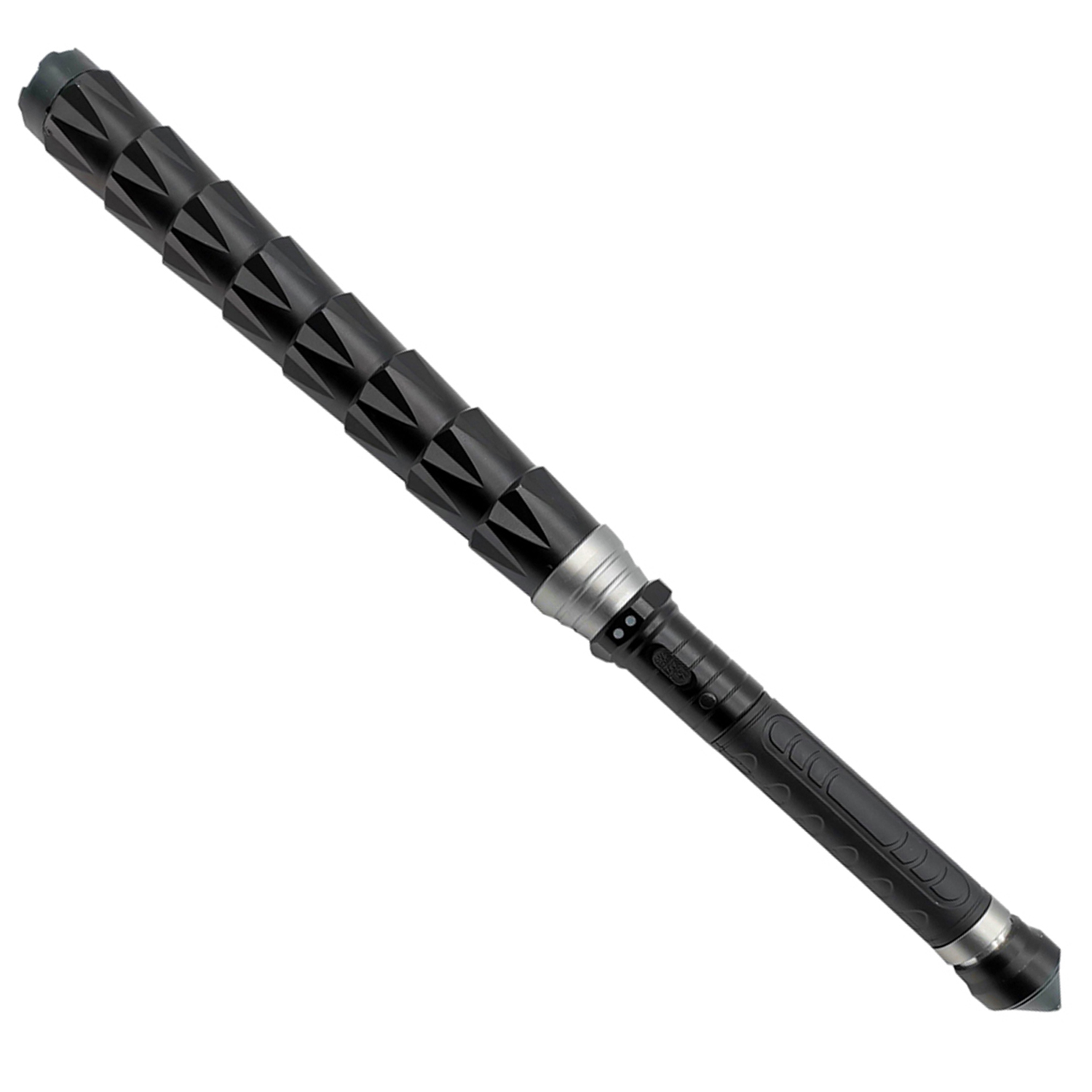
قد يفضّل عميلٌ ما تصميمًا صغير الحجم، بينما قد يبحث عميلٌ آخر عن منتجٍ أكبر على هيئة عصا صعق.
تقديم عدة منتجاتٍ مُميَّزةٍ بوضوحٍ يمنح الموزِّعين مرونةً أكبر في الاستجابة لمتطلبات العملاء المختلفة.
يخلق مجموعة المنتجات فرصًا أكثر
يسمح خط المنتجات المنظَّم جيدًا لفرق المبيعات بتقديم خياراتٍ منطقيةٍ للعملاء.
وبدلًا من طلبِ اختيار العملاء بين عشرات النماذج المتشابهة جدًّا، يمكن للموزِّعين تنظيم المنتجات وفقًا لاختلافاتٍ ذات معنى مثل:
-
الحجم
-
التصميم
-
قابلية الحمل
-
طريقة الشحن
-
وظائف إضافية
-
تحديد المنتج
الهدف ليس امتلاك أضخم كتالوج. بل هو امتلاك المنتجات المناسبة للعملاء المناسبين .
ما أنواع مسدسات الصعق التي يمكن أخذها في الاعتبار؟
مسدسات صعق صغيرة الحجم
يمكن أن تجذب المنتجات الصغيرة الحجم العملاء الذين يولون أهميةً كبيرةً للسهولة في الحمل والتخزين المريح.
تضم مجموعة منتجات كيلين تصاميم مدمجة بتنسيقات مختلفة، ما يمنح الموزعين خيارات عند تطوير فئة منتجات أصغر.
يمكن أن توفر النماذج المدمجة نقطة انطلاق مفيدة للمستوردين عند دخول سوق جديدة.
مسدسات الصدمة القابلة لإعادة الشحن
تمثل المنتجات القابلة لإعادة الشحن اتجاهاً آخر في مجال المنتجات بالنسبة للموزعين.
يمكن لتصميمات الشحن عبر منفذ يو إس بي والبطاريات القابلة لإعادة الشحن أن تقدّم تجربة مستخدم مختلفة عن تلك المنتجات التي تعتمد على البطاريات التقليدية القابلة للاستبدال.
وبالنسبة للعلامات التجارية الخاصة، يمكن أن تخلق المنتجات القابلة لإعادة الشحن أيضاً فرصاً لتمييز خط المنتجات من خلال التصميم والتغليف والهوية البصرية.
تصاميم متعددة الوظائف
بعض المنتجات تجمع بين وظائف الردع الإلكترونية ومزايا عملية إضافية مثل الإضاءة.
يمكن تسويق هذه المنتجات بشكل مختلف عن مسدس الصدمة الأساسي وقد تكون مناسبة للعملاء الذين يبحثون عن معدات متعددة الوظائف.
وهذا يوفّر للموزعين طريقة إضافية لتقسيم محفظة منتجاتهم دون الاعتماد حصرياً على حجم المنتج.
تصاميم العصي الصادمة
تتميَّز العصي الصادمة بموقعٍ مختلف داخل فئة المنتجات نظراً لشكلها الممدود وتصميمها الاحترافي.
بالنسبة للموزِّعين الذين يوفِّرون معدات الأمن والمعدات المرتبطة بإنفاذ القانون، يمكن أن تكمِّل العصي الصادمة المسدسات الصادمة المدمجة وتشكِّل نطاقاً أوسع من معدات الأمن الإلكتروني.
كيف يقرِّر المستورِد النماذج التي سيختارها؟
ابدأ بالسوق المحلي
قبل اختيار المنتجات، يجب على المستورِد أن يفهم السوق الذي ستُباع فيه هذه المنتجات.
من الأسئلة المهمة ما يلي:
-
من هم العملاء المستهدفون؟
-
ما أنواع المنتجات المتاحة حالياً؟
-
أي الميزات في المنتج تُقدَّر محلياً؟
-
ما الأنظمة واللوائح المطبَّقة على هذا المنتج؟
-
هل تركّز الشركة على البيع بالجملة، أو التوزيع، أو العلامات الخاصة، أو التوريد المؤسسي؟
تساعد أبحاث السوق المشترين على تجنّب اختيار المنتجات لمجرد مظهرها الجذّاب في الكتالوج.
اختيار المنتجات ذات الفروقات الواضحة
يجب أن يحتوي المجموعة الجيدة من المنتجات على سببٍ وجيهٍ لكل نموذجٍ منها.
إذا قدّم منتجان تصميماً ووضعاً تسويقياً متشابهَيْن إلى حدٍ كبير، فإن الاحتفاظ بكليهما قد يُضيف تعقيداً غير ضروري.
وبالمقابل، يمكن للموزِّعين اختيار منتجات تلبّي تفضيلات مختلفة للعملاء أو تحتل مراكز مختلفة داخل المجموعة.
وهذا يبسّط إدارة المخزون وتوصيل الرسائل التسويقية.
لماذا يكتسب المصنّع أهميةً بالغةً عند بناء خط إنتاج؟
الأهمية تكمن في الاتساق عبر النماذج المتعددة
عندما يبيع الموزّع عدّة منتجات من نفس المصنّع، يصبح الاتساق في الجودة أمراً بالغ الأهمية.
يتوقّع العملاء أن تحافظ المنتجات المرتبطة بنفس المورِّد أو العلامة التجارية على معيار احترافي ثابت.
يمكن لشركة التصنيع التي تمتلك إجراءات إنتاج وإدارة جودة راسخة أن توفر أساسًا أقوى لهذه الاتساق.
يصبح التوسع المستقبلي أسهل
قد يبدأ الموزِّع باختيار محدود، ثم يوسع خط المنتجات بعد اكتساب خبرة في السوق.
يمكن لشريك التصنيع القادر على دعم فئات منتجات متعددة أن يجعل هذه العملية أكثر كفاءة.
يشمل محفظة منتجات شركة كيلين الأعرض نطاقاً مسدَّدات الصعق الكهربائي، والعُصيّ الصاعقة، والعُصي الشرطية، ومعدات السيطرة على الشغب، والمعدات المضادة للرصاص، ومنتجات الشرطة والأمن الأخرى.
وهذا يمكِّن المشترين الدوليين من استكشاف فئات إضافية مع تطور أعمالهم.
لماذا يكتسب التصنيع حسب الطلب (OEM) أهميةً بالغةً للموزعين الجملة؟
بناء علامة تجارية معروفة
فإن العديد من الموزعين الراسخين ينتقلون في النهاية نحو منتجات العلامات الخاصة.
يمكن أن يساعد التعاون في التصنيع حسب الطلب (OEM) هذه الشركات على إنشاء هوية متسقة من خلال:
-
شعارات المنتجات
-
تعبئة مخصصة
-
وضع العلامات على المنتج
-
كتيبات إرشادية مُخصصة بالعلامة التجارية
-
عرض منسق للمنتجات
وهذا يمكّن الموزعين من تطوير حضورهم الخاص في السوق بدلًا من الاعتماد الكامل على منتجات عامة.
يتطلب التصنيع لحساب طرف ثالث دعمًا تصنيعيًّا طويل الأجل
ويتطلّب مشروع العلامة الخاصة اتساقًا.
وبمجرد أن يصبح المنتج جزءًا من علامة الموزّع التجارية، يجب أن تحافظ الطلبات المستقبلية على مواصفات المنتج والمتطلبات المتعلقة بالعلامة التجارية كما تم الاتفاق عليها.
ولهذا السبب، ينبغي لمشتري التصنيع لحساب طرف ثالث تقييم قدرة المصنّع الإنتاجية وإمكاناته في التعاون طويل الأجل قبل إطلاق منتجٍ يحمل علامة خاصة.
ما الذي ينبغي أن يراعيه مقدمو العروض؟
يجب أن تستند عملية اختيار المنتج إلى متطلبات المناقصة
تختلف عمليات الشراء الحكومية والمؤسسية عن عمليات الشراء الجملة العادية.
يجب على المورِّدين المُشارِكين في المناقصة أن يراجِعوا أولاً المواصفات الفنية الفعلية ومتطلبات التوثيق واللوائح السارية وشروط الشراء.
يجب اختيار المنتج المناسب وفقًا لمتطلبات الشراء، بدلًا من الاكتفاء باختيار النموذج الأكثر تقدُّمًا أو الأغنى بالميزات.
موثوقية المورِّد جزءٌ لا يتجزَّأ من المشروع.
في مشاريع الشراء الكبيرة، قد تكون قدرة المورِّد على الحفاظ على إنتاجٍ مستمرٍ وتوفير وثائق احترافية عواملَ بالغة الأهمية.
وبالتالي، يجب أخذ سجل التصنيع وإدارة الجودة والخبرة في التصدير وقدرة التواصل في الاعتبار إلى جانب المنتج نفسه.
كيف يمكن للموزِّع أن يبني خطَّ منتجاته خطوةً بخطوة؟
ابدأ باختيارٍ مركزٍ.
ليس هناك حاجةٌ لإدخال كل النماذج المتاحة دفعةً واحدة.
والنهج العملي هو البدء بعدة منتجات تتميَّز بوضوحٍ بمواقع مختلفة.
بمجرد أن يفهم الموزِّع طلب العميل، يمكن إدخال منتجات إضافية استنادًا إلى التغذية الراجعة الفعلية من السوق.
التوسع حول المنتجات الناجحة
عندما تكتسب فئة معينة من المنتجات زخمًا في السوق، يمكن للموزِّعين تطوير منتجات مرتبطة بها.
على سبيل المثال، قد تبدأ شركة بمسدسات الصعق المدمجة، ثم تقدِّم نماذج قابلة لإعادة الشحن أو متعددة الوظائف، تليها عصي الصعق ومعدات الأمن المهنية الأخرى.
وهذا يُشكِّل مسارًا طبيعيًّا لتوسيع خطوط المنتجات.
الخاتمة
إن بناء خط ناجح من مسدسات الصعق لا يتعلَّق بعدد النماذج الأكبر.
أما بالنسبة للمستوردين والموزِّعين الجملة، فإن الاستراتيجية الأفضل هي فهم السوق المستهدفة، واختيار منتجات ذات تميُّز واضح، والعمل مع مصنِّعٍ قادرٍ على الحفاظ على جودة ثابتة ودعم التوسُّع المستقبلي.
يمكن لمسدسات الصعق المدمجة، والتصاميم القابلة لإعادة الشحن، والمنتجات متعددة الوظائف، وعصي الصعق أن تشغِّل مواقع مختلفة داخل محفظة منتجات مهنية.
مع شريك التصنيع المناسب، يمكن للموزِّعين تطوير هذه المنتجات تدريجيًّا إلى خط منتجات مترابط، ودعم علاماتهم التجارية الخاصة، وإقامة علاقات أقوى على المدى الطويل مع العملاء.
للمشترين الدوليين، تبدأ استراتيجية المنتج المناسبة بفهم السوق — ويمكن للمورِّد المناسب مساعدتهم في تحويل تلك الاستراتيجية إلى نشاط تجاري مستدام.
جدول المحتويات
- دليل عملي لاختيار المنتجات وتنظيم المحفظة التجارية والعمل مع مصنّعٍ موثوقٍ به
- لماذا ينبغي على الموزِّعين بناء خط منتجاتٍ بدلًا من بيع طرازٍ واحدٍ فقط من أجهزة الصعق الكهربائي؟
- ما أنواع مسدسات الصعق التي يمكن أخذها في الاعتبار؟
- كيف يقرِّر المستورِد النماذج التي سيختارها؟
- لماذا يكتسب المصنّع أهميةً بالغةً عند بناء خط إنتاج؟
- لماذا يكتسب التصنيع حسب الطلب (OEM) أهميةً بالغةً للموزعين الجملة؟
- ما الذي ينبغي أن يراعيه مقدمو العروض؟
- كيف يمكن للموزِّع أن يبني خطَّ منتجاته خطوةً بخطوة؟
- الخاتمة
