En
En
 CN
CN AR
AR
 NL
NL
 FR
FR
 DE
DE
 HI
HI
 IT
IT
 JA
JA
 KO
KO
 PT
PT
 RU
RU
 ES
ES
 ID
ID
 VI
VI
 TH
TH

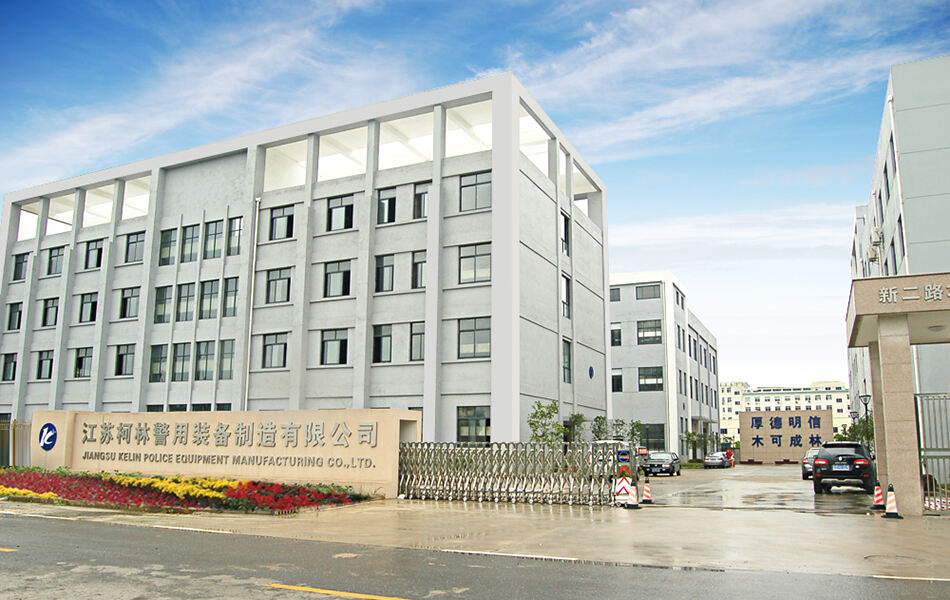
การเตรียมอุปกรณ์ตำรวจสำหรับการประกวดราคาของหน่วยงานรัฐควรทำอย่างไร
คำย่อย:
สิ่งที่ผู้นำเข้า ผู้รับจ้างโครงการ และผู้จัดจำหน่ายอุปกรณ์ด้านความมั่นคงควรมีความเข้าใจก่อนเข้าร่วมโครงการจัดซื้อจัดจ้างภาครัฐ
การประกวดราคาของหน่วยงานรัฐสำหรับอุปกรณ์ตำรวจและอุปกรณ์ด้านความมั่นคงนั้นมีความแตกต่างอย่างมากจากคำสั่งซื้อเชิงพาณิชย์ทั่วไป
ต่างจากกระบวนการจัดซื้อแบบขายส่งมาตรฐาน โครงการจัดซื้อจัดจ้างภาครัฐมักเกี่ยวข้องกับข้อกำหนดทางเทคนิคที่เข้มงวด ข้อกำหนดด้านการปฏิบัติตามกฎหมาย กำหนดเวลาการส่งมอบ และมาตรฐานเอกสาร สำหรับผู้จัดจำหน่ายและผู้นำเข้า การได้รับรางวัลในโครงการเหล่านี้ขึ้นอยู่ไม่เพียงแต่กับราคาเสนอเท่านั้น แต่ยังขึ้นกับความเป็นมืออาชีพ ความสม่ำเสมอของผลิตภัณฑ์ และความน่าเชื่อถือในการดำเนินงานด้วย
เมื่อความต้องการระดับโลกต่ออุปกรณ์ด้านความมั่นคงและการบังคับใช้กฎหมายยังคงเพิ่มสูงขึ้น ผู้จัดจำหน่ายและผู้รับจ้างโครงการรายใหม่ๆ จึงเริ่มเข้าสู่ตลาดการจัดซื้อจัดจ้างภาครัฐมากขึ้นเรื่อยๆ การเข้าใจกลไกของการประกวดราคาเหล่านี้จึงเป็นสิ่งจำเป็นต่อความสำเร็จในระยะยาว
เหตุใดการประกวดราคาของหน่วยงานรัฐจึงกำหนดมาตรฐานที่สูงกว่า
การจัดซื้อจัดจ้างภาครัฐให้ความสำคัญกับความน่าเชื่อถือ
ผู้ซื้อจากรัฐบาลมักให้ความสำคัญกับความมั่นคงและความสอดคล้องตามข้อกำหนดมากกว่าข้อได้เปรียบด้านราคาในระยะสั้น
สำหรับอุปกรณ์ตำรวจ เช่น:
- ไม้เท้าพับได้ของเรา
- โล่ปราบจลาจล
- เสื้อกั๊กยุทธศาสตร์
- สเปรย์พริก
- หมวกกันกระแทกสำหรับควบคุมฝูงชน
ผลิตภัณฑ์เหล่านี้ต้องทำงานได้อย่างสม่ำเสมอภายใต้เงื่อนไขการใช้งานแบบมืออาชีพ
เนื่องจากผลิตภัณฑ์เหล่านี้มักถูกใช้งานโดยเจ้าหน้าที่บังคับใช้กฎหมายหรือบุคลากรของหน่วยงาน จึงมีมาตรฐานการจัดซื้อที่เข้มงวดกว่าตลาดค้าปลีกเชิงพาณิชย์อย่างมาก
ข้อกำหนดทางเทคนิคมักระบุไว้อย่างละเอียด
การประกวดราคาของภาครัฐมักกำหนดข้อกำหนดที่แม่นยำ เช่น:
- องค์ประกอบของวัสดุ
- ขนาดและน้ำหนัก
- โครงสร้างผลิตภัณฑ์
- มาตรฐานความทนทาน
- ชุดอุปกรณ์เสริม
ตัวอย่างเช่น ประกวดราคากระบองแบบขยายได้อาจระบุ:
- ความยาวขณะพับเก็บและขณะยืดออก
- ประเภทวัสดุโลหะผสม
- โครงสร้างกลไกการล็อก
- ข้อกำหนดสำหรับที่เก็บอาวุธ (holster)
สิ่งนี้หมายความว่าผู้จัดจำหน่ายต้องเข้าใจข้อมูลจำเพาะของผลิตภัณฑ์ตนเองอย่างถ่องแท้ก่อนเสนอราคา
เหตุใดเอกสารผลิตภัณฑ์จึงมีความสำคัญ
ข้อมูลเชิงเทคนิคต้องถูกต้องแม่นยำ
หนึ่งในสาเหตุที่พบบ่อยที่สุดที่ทำให้ผู้จัดจำหน่ายล้มเหลวในโครงการประกวดราคา คือ เอกสารไม่ถูกต้องหรือไม่สมบูรณ์
ผู้ซื้อมืออาชีพมักขอ:
- ข้อมูลจำเพาะทางเทคนิค
- รูปภาพสินค้า
- รายละเอียดการบรรจุภัณฑ์
- ข้อมูลการปฏิบัติตามข้อกำหนด
- เอกสารการทดสอบหรือรับรอง (ถ้ามีความจำเป็น)
ข้อมูลทั้งหมดควรคงความสอดคล้องกันอย่างต่อเนื่องในใบเสนอราคา แคตตาล็อก และเอกสารสนับสนุนอื่นๆ
แม้แต่ความไม่สอดคล้องกันที่เล็กน้อยก็อาจส่งผลต่อความมั่นใจของผู้ซื้อ
การนำเสนออย่างมืออาชีพสร้างความไว้วางใจ
เอกสารที่จัดทำอย่างเป็นระบบสะท้อนถึงความเป็นมืออาชีพในการดำเนินงาน
รูปแบบการจัดวางที่ชัดเจน คำอธิบายที่ถูกต้อง และข้อมูลจำเพาะที่ละเอียดลึกซึ้ง ช่วยให้ทีมจัดซื้อสามารถประเมินผลิตภัณฑ์ได้อย่างมีประสิทธิภาพมากยิ่งขึ้น
สำหรับการจัดซื้อตามโครงการ คุณภาพของการนำเสนอ มักมีอิทธิพลต่อระดับความจริงจังที่ผู้พิจารณาให้กับผู้จัดจำหน่ายรายนั้น
ผลกระทบของความสอดคล้องกันของผลิตภัณฑ์ต่อความสำเร็จในการเสนอราคา
ตัวอย่างสินค้าและคำสั่งซื้อจำนวนมากต้องตรงกัน
ในการจัดซื้อจัดจ้างของภาครัฐ ตัวอย่างสินค้าที่ได้รับการอนุมัติมักถูกใช้เป็นมาตรฐานอ้างอิงสำหรับการจัดส่งจำนวนมาก
หากการผลิตจำนวนมากแตกต่างจากตัวอย่างที่ยืนยันแล้วใน:
- คุณภาพของวัสดุ
- สมรรถนะโครงสร้าง
- รายละเอียดการตกแต่งสุดท้าย
- ชุดอุปกรณ์เสริม
สิ่งนี้อาจก่อให้เกิดปัญหาสำคัญต่อโครงการ
นี่คือเหตุผลที่การควบคุมการผลิตอย่างมั่นคงเป็นสิ่งจำเป็นสำหรับการจัดหาสินค้าตามแบบเสนอราคา
ความมั่นคงของคุณภาพมีความสำคัญยิ่ง
โครงการของรัฐบาลมักเกี่ยวข้องกับการจัดซื้อในปริมาณมากและการใช้งานระยะยาว
ผลิตภัณฑ์ต้องรักษาระดับประสิทธิภาพที่สม่ำเสมอในทุกชุดการผลิต
ผู้ผลิตที่เชื่อถือได้บรรลุสิ่งนี้ผ่าน:
- ระบบการผลิตที่ได้มาตรฐาน
- การจัดหาวัสดุภายใต้การควบคุม
- ขั้นตอนการตรวจสอบคุณภาพที่มีโครงสร้างชัดเจน
สำหรับผู้ซื้อระดับมืออาชีพ ความสม่ำเสมอเป็นหนึ่งในปัจจัยการประเมินที่สำคัญที่สุด
เหตุใดความสามารถในการผลิตจึงมีความสำคัญ
ผู้ผลิตจริงมีการควบคุมการผลิตที่ดีกว่า
ผู้ซื้อโครงการจำนวนมากชอบทำงานโดยตรงกับผู้ผลิตมากกว่าใช้ตัวแทนกลาง
ผู้ผลิตจริงสามารถควบคุมสิ่งต่อไปนี้ได้ดีกว่า:
- การจัดกำหนดการผลิต
- ความต้องการในการปรับแต่ง
- การปรับแต่งทางเทคนิค
- กำหนดเวลาจัดส่ง
ความยืดหยุ่นนี้จะมีความสำคัญเป็นพิเศษเมื่อข้อกำหนดในการประกวดราคาเปลี่ยนแปลงระหว่างการดำเนินโครงการ
การสนับสนุน OEM และการผลิตตามสั่ง
การประกวดราคาของรัฐบาลมักต้องการองค์ประกอบที่ปรับแต่งเฉพาะ เช่น:
- โลโก้
- เครื่องหมายพิเศษ
- การปรับเปลี่ยนบรรจุภัณฑ์
- อุปกรณ์เสริมเชิงยุทธศาสตร์
ผู้จัดจำหน่ายที่มีศักยภาพในการผลิตตามแบบของผู้ผลิตรถยนต์ (OEM) และการผลิตตามแบบที่ลูกค้าออกแบบเอง (ODM) จะสามารถรองรับความต้องการเหล่านี้ได้อย่างมีประสิทธิภาพมากกว่า
สิ่งนี้ทำให้ผู้ซื้อมีความมั่นใจมากขึ้นในความสามารถในการดำเนินโครงการ
ความน่าเชื่อถือด้านการจัดส่งก็มีความสำคัญไม่แพ้กัน
ความล่าช้าในการดำเนินโครงการอาจก่อให้เกิดปัญหาร้ายแรง
การจัดส่งล่าช้าในโครงการภาครัฐอาจส่งผลกระทบต่อ:
- กำหนดเวลาของโครงการ
- การปฏิบัติตามสัญญา
- การวางแผนการดำเนินงาน
ดังนั้น ทีมจัดซื้อจึงให้ความสำคัญอย่างยิ่งต่อความน่าเชื่อถือของผู้จัดจำหน่าย
ผู้จัดจำหน่ายมืออาชีพจัดการการจัดส่งผ่าน:
- การวางแผนการผลิต
- การประสานงานสินค้าคงคลัง
- กำลังการผลิตที่มั่นคง
วิธีนี้ช่วยให้มั่นใจได้ว่าระยะเวลาการนำส่งจะสมจริงและเชื่อถือได้
การสื่อสารและการตอบสนอง
การสื่อสารอย่างรวดเร็วช่วยเพิ่มประสิทธิภาพของโครงการ
โครงการจัดซื้อจัดจ้างของรัฐบาลมักเกี่ยวข้องกับการชี้แจงและปรับปรุงหลายรอบ
ผู้ซื้อมักให้ความสำคัญกับผู้จำหน่ายที่สามารถ:
- ตอบกลับอย่างรวดเร็ว
- ให้คำตอบทางเทคนิคที่ชัดเจน
- ปรับปรุงเอกสารได้อย่างมีประสิทธิภาพ
- สนับสนุนการยืนยันข้อกำหนดเฉพาะ
การสื่อสารที่มีประสิทธิภาพช่วยลดความล่าช้าของโครงการและยกระดับความร่วมมือโดยรวม
โอกาสในระยะยาวในการจัดซื้อจัดจ้างของรัฐบาล
การประกวดราคาของรัฐบาลมักไม่ใช่โอกาสเพียงครั้งเดียว
ผู้จำหน่ายที่ดำเนินงานได้ดีอาจได้รับ:
- คำสั่งซื้อซ้ำ
- สัญญาระยะยาว
- โอกาสโครงการที่กว้างขึ้น
- ชื่อเสียงในตลาดที่แข็งแกร่งยิ่งขึ้น
ด้วยเหตุนี้ ผู้จัดจำหน่ายมืออาชีพจำนวนมากจึงมุ่งเน้นการสร้างความสัมพันธ์ที่มั่นคง แทนที่จะแข่งขันกันเพียงด้านราคาเท่านั้น
บทสรุป
การจัดหาอุปกรณ์สำหรับตำรวจเพื่อใช้ในการประกวดราคาของรัฐบาล ต้องอาศัยมากกว่าการนำเสนอผลิตภัณฑ์เพียงอย่างเดียว
ความสำเร็จขึ้นอยู่กับความเข้าใจด้านเทคนิค ความมั่นคงในการผลิต ความถูกต้องของเอกสาร ความน่าเชื่อถือในการจัดส่ง และการสื่อสารอย่างมืออาชีพ
สำหรับผู้จัดจำหน่าย ผู้รับเหมาโครงการ และผู้จัดซื้อจัดจ้าง การทำงานร่วมกับผู้ผลิตที่มีประสบการณ์ช่วยลดความเสี่ยงในการดำเนินงานและเพิ่มประสิทธิภาพในการดำเนินโครงการ
เมื่อมาตรฐานการจัดซื้อจัดจ้างยังคงสูงขึ้นทั่วโลก ความเป็นมืออาชีพและความสม่ำเสมอจึงกลายเป็นปัจจัยสำคัญในการคว้าโอกาสทางธุรกิจของภาครัฐในระยะยาว
สารบัญ
- คำย่อย:
- เหตุใดการประกวดราคาของหน่วยงานรัฐจึงกำหนดมาตรฐานที่สูงกว่า
- เหตุใดเอกสารผลิตภัณฑ์จึงมีความสำคัญ
- ผลกระทบของความสอดคล้องกันของผลิตภัณฑ์ต่อความสำเร็จในการเสนอราคา
- เหตุใดความสามารถในการผลิตจึงมีความสำคัญ
- ความน่าเชื่อถือด้านการจัดส่งก็มีความสำคัญไม่แพ้กัน
- การสื่อสารและการตอบสนอง
- โอกาสในระยะยาวในการจัดซื้อจัดจ้างของรัฐบาล
- บทสรุป