En
En
 CN
CN  AR
AR
 NL
NL
 FR
FR
 DE
DE
 HI
HI
 IT
IT
 JA
JA
 KO
KO
 PT
PT
 RU
RU
 ES
ES
 ID
ID
 VI
VI
 TH
TH

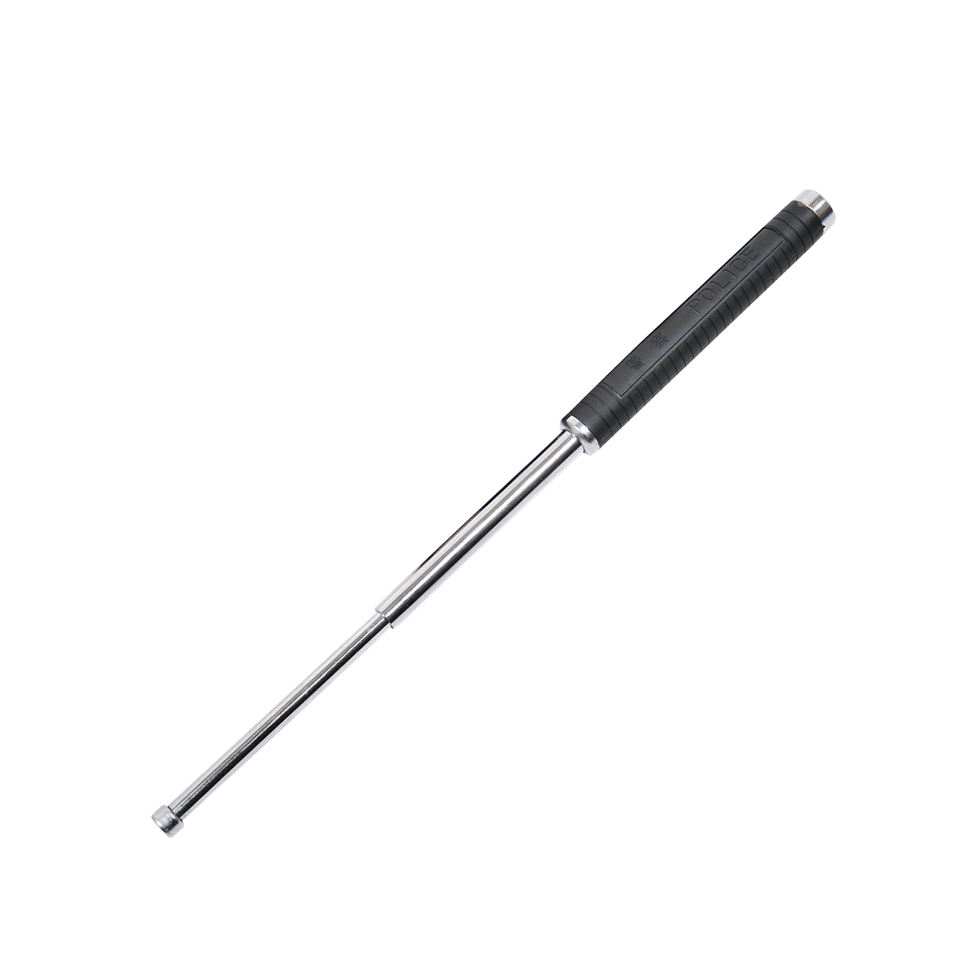
Как избежать проблем с качеством при оптовом импорте полицейских дубинок?
Подзаголовок:
Практическое руководство для импортёров и дистрибьюторов по снижению рисков и обеспечению стабильных эксплуатационных характеристик продукции
При импорте полицейских дубинок оптом проблемы с качеством являются одной из наиболее распространённых и дорогостоящих проблем, с которыми сталкиваются покупатели.
В отличие от небольших заказов пробных образцов, оптовые поставки включают сотни или тысячи единиц. Даже незначительные несоответствия могут быстро превратиться в серьёзные бизнес-риски, включая жалобы клиентов, возвраты товаров или даже провал проекта.
Для дистрибьюторов, оптовых продавцов и закупщиков предотвращение проблем с качеством — это не только контроль качества при приёме товара: оно начинается с выбора надёжного поставщика и понимания производственного процесса.
Почему возникают проблемы с качеством при оптовых заказах?
Отсутствие контроля за производством
Многие покупатели неосознанно сотрудничают с поставщиками, которые не контролируют собственное производство. Без прямого надзора за сырьём, производственными процессами и сборкой невозможно гарантировать стабильность качества.
Это часто приводит к колебаниям в следующих параметрах:
- прочность материала
- стабильности фиксации
- качестве отделки
- общая прочность
Несоответствии материалов
Полицейские дубинки, особенно телескопические модели, в значительной степени зависят от качества материалов.
Различия в материалах, например:
- марки алюминиевых сплавов
- твердость стали
- плотность резины
напрямую влияют на эксплуатационные характеристики изделия.
Использование низкокачественных материалов может сократить срок службы, ухудшить ударопрочность или привести к структурному разрушению в процессе эксплуатации.
Слабые системы контроля качества
Без стандартизированных процедур контроля качества даже хорошо спроектированные изделия могут оказаться неработоспособными при серийном производстве.
Общие проблемы включают:
- ненадежные механизмы фиксации
- неравномерное нанесение защитного покрытия
- нестабильная производительность удлинителя
- низкая долговечность сцепления
Эти проблемы обычно не проявляются на образцах, но становятся заметными при крупных поставках.
Как обеспечить стабильное качество до начала производства?
Подтверждение подробных технических характеристик
Перед размещением заказа покупатели должны чётко определить все технические характеристики изделия, включая:
- тип материала (например, алюминиевый сплав или легированная сталь)
- габаритные размеры и диапазон массы
- механизм фиксации (дисковый замок, кулачковый замок и т. д.)
- вид отделки поверхности и цвет
Четкие технические спецификации снижают вероятность недопонимания и обеспечивают согласованность позиций обеих сторон.
Запросить образцы до начала серийного производства
Образец предназначен не только для оценки внешнего вида — он должен соответствовать стандартам конечного продукта.
Покупатели должны провести проверку следующих параметров:
- плавность выдвижения и втягивания
- стабильности фиксации
- удобство захвата
- общую прочность конструкции
Утверждённый образец становится эталоном для серийного производства.
На что обращать внимание в ходе производства?
Постоянство материала
Надёжные поставщики обеспечивают стабильные источники сырья и применяют соответствующие технологические процессы, например термообработку стальных компонентов.
Это гарантирует стабильность твёрдости, прочности и долговечности всех изделий.
Точность производства
Раздвижные дубинки требуют точной механической обработки и сборки.
Ключевые области, требующие контроля:
- соосность телескопических трубок
- точность фиксирующих элементов
- плавность работы при развертывании
Незначительные отклонения в этих областях могут существенно повлиять на эксплуатационные характеристики изделия.
Качество поверхностной обработки
Внешнее покрытие служит не только для эстетики, но и для обеспечения долговечности.
Высококачественная дубинка должна обладать:
- покрытие, устойчивое к коррозии
- ударостойкой поверхностью
- матовый непрозрачный финиш для тактического применения
Низкое качество отделки может привести к преждевременному износу и снижению стоимости изделия.
Как проводить осмотр перед отгрузкой?
Функциональное тестирование
Каждая партия должна быть протестирована на:
- удлинение и устойчивость фиксации
- эффективность втягивания
- структурная целостность
Это позволяет выявить дефекты до отгрузки.
Инспекция методом случайной выборки
Вместо проверки лишь нескольких единиц инспекция методом случайной выборки по всей партии обеспечивает более точную оценку общего качества.
Это особенно важно при заказах крупными объёмами.
Упаковка и защита
Правильная упаковка предотвращает повреждения при транспортировке.
Для полицейских дубинок упаковка должна:
- защищать от ударов
- предотвращать воздействие влаги
- надёжно фиксировать изделия в упаковке
Это гарантирует, что товары прибудут в том же состоянии, в каком они покинули завод.
Почему важен опыт поставщика?
Поставщики с многолетним опытом экспорта понимают важность стабильного качества при крупных заказах.
Они с большей вероятностью будут:
- следовать стандартизированным производственным процедурам
- поддерживать стабильные системы контроля качества
- эффективно управлять графиками производства
- обеспечивать надёжные сроки поставки
Это снижает риск возникновения непредвиденных проблем как на этапе производства, так и при транспортировке.
Разработка долгосрочной стратегии обеспечения качества
Предотвращение проблем с качеством — это не разовое мероприятие: для этого требуется долгосрочный подход.
Успешные покупатели часто:
- работают с одним и тем же надёжным поставщиком на протяжении длительного времени
- постоянно совершенствуют технические характеристики продукции
- укрепляют доверие за счёт стабильного сотрудничества
Это приводит к более выгодным ценам, повышению стабильности качества и повышению эффективности операций.
Заключение
Проблемы с качеством при оптовых заказах редко вызваны единственным фактором. Обычно они являются результатом нечётких технических требований, слабого контроля производства или недостаточного опыта поставщика.
Для импортёров и дистрибьюторов предотвращение этих проблем требует системного подхода — от отбора поставщиков до мониторинга производства и финального контроля.
Сосредоточившись на стабильности качества, качестве материалов и профессиональных производственных процессах, покупатели могут значительно снизить риски и обеспечить соответствие каждой поставки ожиданиям.
На конкурентном рынке оборудования для обеспечения безопасности надёжное качество — это не просто требование, а ключевой фактор долгосрочного успеха.
Содержание
- Подзаголовок:
- Почему возникают проблемы с качеством при оптовых заказах?
- Как обеспечить стабильное качество до начала производства?
- На что обращать внимание в ходе производства?
- Как проводить осмотр перед отгрузкой?
- Почему важен опыт поставщика?
- Разработка долгосрочной стратегии обеспечения качества
- Заключение