En
En
 CN
CN AR
AR
 NL
NL
 FR
FR
 DE
DE
 HI
HI
 IT
IT
 JA
JA
 KO
KO
 PT
PT
 RU
RU
 ES
ES
 ID
ID
 VI
VI
 TH
TH

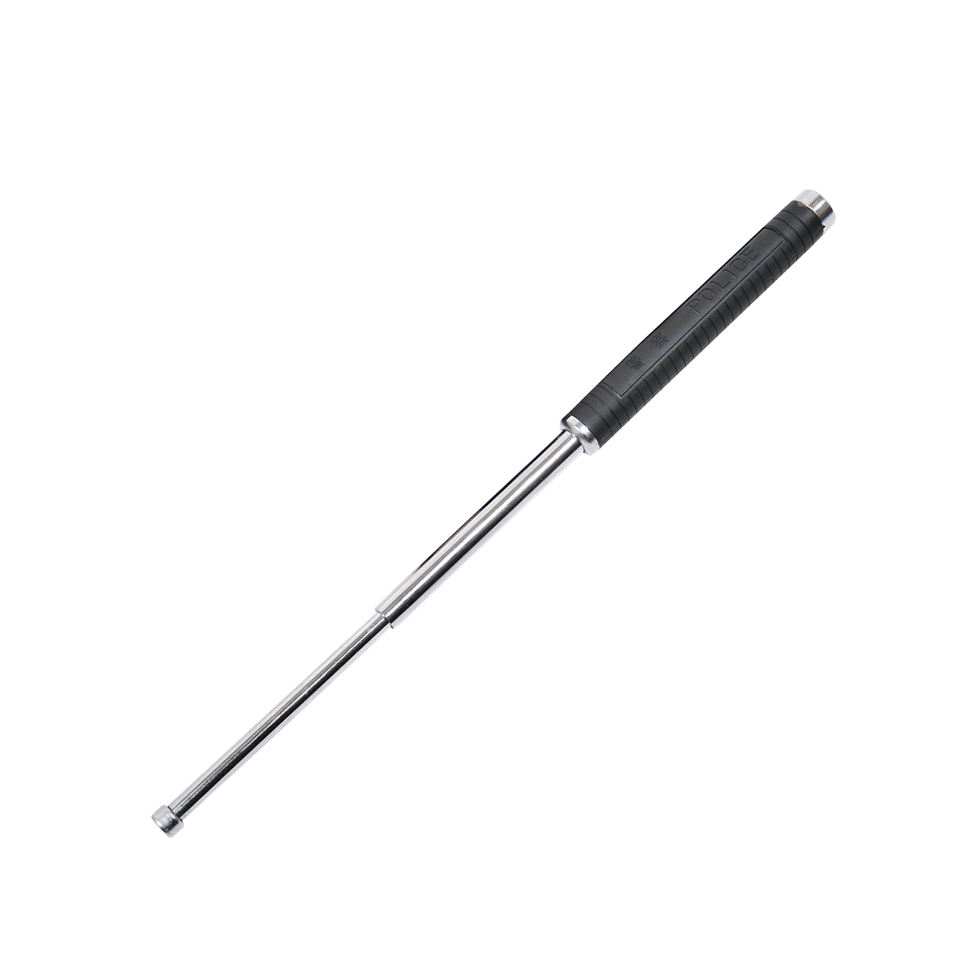
Cara Menghindari Masalah Kualitas Saat Mengimpor Tongkat Polisi dalam Jumlah Besar?
Subjudul:
Panduan praktis bagi importir dan distributor untuk mengurangi risiko serta memastikan kinerja produk yang konsisten
Ketika mengimpor pentungan polisi dalam jumlah besar, masalah kualitas merupakan salah satu permasalahan paling umum dan paling mahal yang dihadapi pembeli.
Berbeda dengan pesanan sampel kecil, pengiriman dalam jumlah besar melibatkan ratusan atau bahkan ribuan unit. Bahkan ketidaksesuaian kecil pun dapat dengan cepat berubah menjadi risiko bisnis serius, termasuk keluhan pelanggan, pengembalian barang, atau bahkan kegagalan proyek.
Bagi distributor, grosir, dan pembeli pengadaan, menghindari masalah kualitas bukan hanya soal pemeriksaan—melainkan dimulai dari memilih pemasok yang tepat serta memahami proses produksi.
Mengapa Masalah Kualitas Terjadi pada Pesanan dalam Jumlah Besar?
Kurangnya Pengendalian Produksi
Banyak pembeli secara tidak sadar bekerja sama dengan pemasok yang tidak mengendalikan proses produksi mereka sendiri. Tanpa pengawasan langsung terhadap bahan baku, proses manufaktur, dan perakitan, konsistensi menjadi sulit dipastikan.
Hal ini sering mengakibatkan variasi dalam:
- kekuatan Material
- stabilitas penguncian
- kualitas penyelesaian akhir
- ketahanan Keseluruhan
Bahan yang Tidak Konsisten
Baton polisi, terutama tipe yang dapat diperpanjang, sangat bergantung pada kualitas bahan.
Perbedaan bahan seperti:
- jenis Paduan Aluminium
- kekerasan baja
- kerapatan karet
dapat secara langsung memengaruhi kinerja produk.
Bahan berkualitas rendah dapat mengurangi masa pakai, memengaruhi ketahanan benturan, atau menyebabkan kegagalan struktural selama penggunaan.
Sistem Pengendalian Kualitas yang Lemah
Tanpa prosedur pengendalian kualitas yang distandarisasi, bahkan produk yang dirancang dengan baik pun dapat gagal dalam produksi massal.
Masalah umum meliputi:
- mekanisme penguncian yang longgar
- lapisan permukaan yang tidak merata
- kinerja ekstensi yang tidak stabil
- daya tahan cengkeraman yang buruk
Masalah-masalah ini biasanya tidak muncul pada sampel, tetapi menjadi terlihat pada pengiriman dalam jumlah besar.
Bagaimana Memastikan Kualitas yang Konsisten Sebelum Produksi?
Konfirmasi Spesifikasi Terperinci
Sebelum melakukan pemesanan, pembeli harus secara jelas menetapkan semua spesifikasi produk, termasuk:
- jenis bahan (misalnya, paduan aluminium atau baja paduan)
- dimensi dan kisaran berat
- mekanisme penguncian (kunci cakram, kunci cam, dll.)
- penyelesaian permukaan dan warna
Spesifikasi yang jelas mengurangi kesalahpahaman dan memastikan kedua belah pihak selaras.
Minta Sampel Pra-Produksi
Sampel bukan hanya untuk memeriksa tampilan—melainkan harus mewakili standar produk akhir.
Pembeli harus melakukan pengujian terhadap:
- kelancaran ekstensi dan retraksi
- stabilitas penguncian
- kenyamanan pegangan
- kekuatan struktural secara keseluruhan
Sampel yang telah dikonfirmasi menjadi acuan untuk produksi massal.
Apa yang Harus Diperiksa Selama Produksi?
Konsistensi Bahan
Pemasok yang andal menjaga stabilitas pasokan bahan baku serta menerapkan proses perlakuan yang tepat, seperti perlakuan panas untuk komponen baja.
Hal ini memastikan kekerasan, kekuatan, dan ketahanan yang konsisten di seluruh unit.
Presisi Manufaktur
Baton yang dapat diperpanjang memerlukan pemesinan dan perakitan yang presisi.
Area utama yang perlu dipantau meliputi:
- keselarasan tabung teleskopik
- ketepatan komponen pengunci
- kelancaran operasi saat penyebaran
Penyimpangan kecil di area-area ini dapat secara signifikan memengaruhi kinerja produk.
Kualitas Perlakuan Permukaan
Lapisan luar tidak hanya untuk tampilan, tetapi juga untuk ketahanan.
Baton berkualitas tinggi harus memiliki:
- lapisan tahan korosi
- permukaan tahan benturan
- penyelesaian matte non-reflektif untuk penggunaan taktis
Pengerjaan yang buruk dapat menyebabkan keausan dini dan mengurangi nilai produk.
Cara Memeriksa Sebelum Pengiriman?
Pengujian Fungsi
Setiap batch harus diuji untuk:
- ekstensi dan stabilitas penguncian
- kinerja penarikan kembali
- integritas Struktural
Hal ini membantu mengidentifikasi cacat sebelum pengiriman.
Inspeksi Sampel Acak
Alih-alih hanya memeriksa beberapa unit, pengambilan sampel acak dari seluruh batch memberikan penilaian kualitas keseluruhan yang lebih akurat.
Ini terutama penting untuk pesanan dalam jumlah besar.
Pengemasan dan Perlindungan
Kemasan yang tepat mencegah kerusakan selama pengangkutan.
Untuk pentungan polisi, kemasan harus:
- melindungi dari benturan
- mencegah paparan kelembapan
- menjaga posisi produk tetap aman dan stabil
Hal ini memastikan barang tiba dalam kondisi yang sama seperti saat meninggalkan pabrik.
Mengapa Pengalaman Pemasok Penting?
Pemasok dengan pengalaman ekspor jangka panjang memahami pentingnya konsistensi dalam pesanan dalam jumlah besar.
Mereka lebih cenderung:
- mengikuti prosedur produksi yang distandarisasi
- mempertahankan sistem pengendalian kualitas yang stabil
- mengelola jadwal produksi secara efektif
- memastikan tenggat waktu pengiriman yang andal
Hal ini mengurangi risiko munculnya masalah tak terduga selama proses produksi maupun pengiriman.
Membangun Strategi Kualitas Jangka Panjang
Mencegah masalah kualitas bukanlah upaya satu kali—melainkan memerlukan pendekatan jangka panjang.
Pembeli yang sukses sering kali:
- bekerja sama secara berkelanjutan dengan pemasok yang andal
- terus-menerus meningkatkan spesifikasi produk
- membangun kepercayaan melalui kerja sama yang stabil
Hal ini menghasilkan harga yang lebih baik, konsistensi yang meningkat, serta operasi yang lebih efisien.
Kesimpulan
Masalah kualitas dalam pesanan besar jarang disebabkan oleh satu faktor saja. Masalah tersebut biasanya merupakan akibat dari spesifikasi yang tidak jelas, pengendalian produksi yang lemah, atau kurangnya pengalaman pemasok.
Bagi para importir dan distributor, pencegahan masalah-masalah ini memerlukan pendekatan terstruktur—mulai dari pemilihan pemasok, pemantauan produksi, hingga inspeksi akhir.
Dengan berfokus pada konsistensi, kualitas bahan, serta proses manufaktur profesional, pembeli dapat secara signifikan mengurangi risiko dan memastikan setiap pengiriman memenuhi harapan.
Di pasar peralatan keamanan yang kompetitif, kualitas andal bukan hanya suatu keharusan—melainkan faktor kunci bagi keberhasilan jangka panjang.
Daftar Isi
- Subjudul:
- Mengapa Masalah Kualitas Terjadi pada Pesanan dalam Jumlah Besar?
- Bagaimana Memastikan Kualitas yang Konsisten Sebelum Produksi?
- Apa yang Harus Diperiksa Selama Produksi?
- Cara Memeriksa Sebelum Pengiriman?
- Mengapa Pengalaman Pemasok Penting?
- Membangun Strategi Kualitas Jangka Panjang
- Kesimpulan