 En
 CN
 AR
 NL
 FR
 DE
 HI
 IT
 JA
 KO
 PT
 RU
 ES
 ID
 VI
 TH

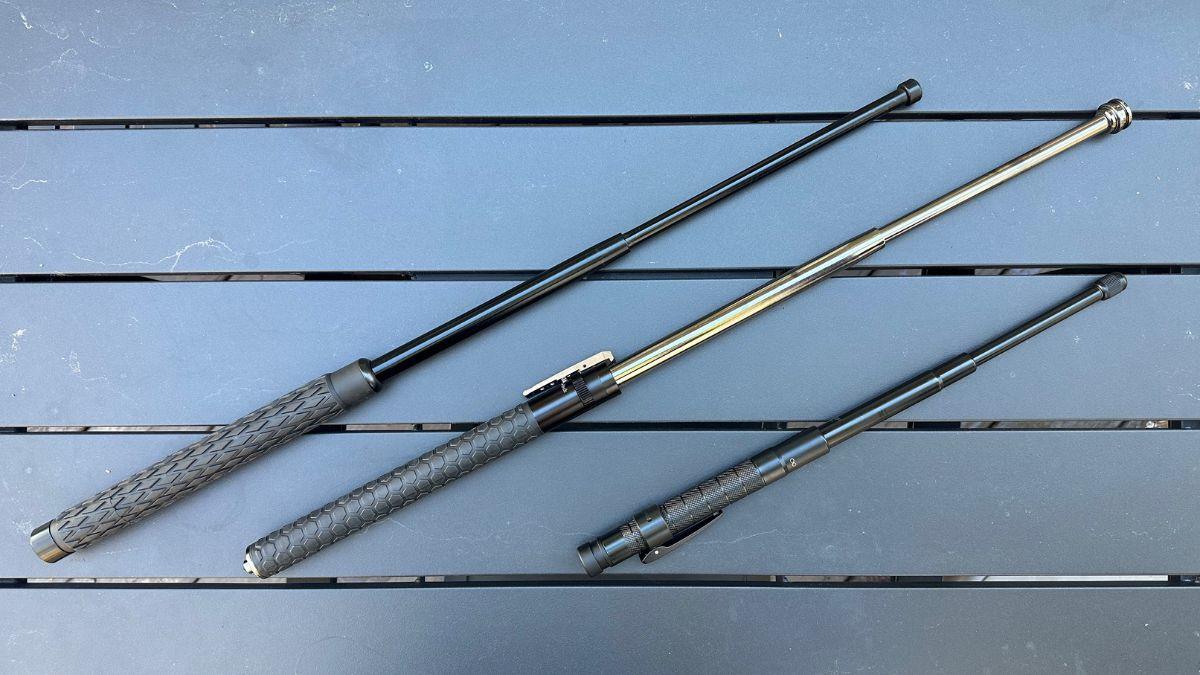
Expandable Batons vs. Traditional Police Batons: What Should Importers Know?
For police and security equipment distributors, choosing the right baton products is an important part of building a competitive product portfolio. Expandable batons and traditional police batons serve overlapping professional equipment markets, but their designs, storage requirements, and product specifications can differ significantly.
For importers, wholesalers, and government procurement contractors, understanding these differences helps clarify customer requirements, compare product options, and organize purchasing plans. Rather than selecting products based on appearance alone, buyers should consider the intended application, applicable procurement specifications, and requirements of their target market.
Table of Contents
-
What is the difference between expandable batons and traditional police batons?
-
Which product characteristics should buyers compare?
-
Why should distributors consider different baton categories?
-
What should buyers confirm before ordering?
-
How can manufacturers support a more consistent product range?
What Is the Difference Between Expandable Batons and Traditional Police Batons?
The main difference lies in their construction and overall design.
An expandable baton features a telescopic structure that allows the baton to be extended or retracted. A traditional police baton generally has a fixed-length design, with its dimensions determined by the specific model.
These differences influence storage, carrying arrangements, product dimensions, and the requirements that buyers need to specify when sourcing equipment.
However, neither category should be treated as a single standardized product. Models within the same category may differ in materials, length, handle design, finish, and other specifications.
For importers, the first step is to identify the exact product configuration required by the customer rather than relying on broad product names alone.
Which Product Characteristics Should Buyers Compare?
When evaluating expandable batons and traditional police batons, buyers should compare the specifications that matter to their procurement requirements.
Product Design and Dimensions
Expandable batons have a telescopic structure, while traditional police batons maintain a fixed length. Buyers should confirm the required dimensions and overall design for each model.
For expandable products, specifications should clearly distinguish between the retracted and extended lengths. For fixed-length products, the required overall length should be stated explicitly.
Materials and Surface Finish
Materials and finishing methods can vary between models. Buyers should confirm the specified material, surface treatment, handle construction, and color rather than assuming that products with similar appearances have identical characteristics.
Documenting these details helps reduce discrepancies between samples, purchase orders, and delivered products.
Accessories and Packaging
Accessories and packaging requirements should also be confirmed before ordering. Depending on the product and project, buyers may need specific packaging arrangements, product labels, or other agreed items.
Clear documentation is particularly useful when distributors manage multiple models or supply products to institutional customers.
Why Should Distributors Consider Different Baton Categories?
A distributor's product range should reflect the actual requirements of its customers rather than simply the number of models available.
Some customers may request expandable batons, while others may specify traditional fixed-length models. Institutional and government procurement projects may also identify a particular design or set of technical specifications.
Offering more than one product category can help distributors respond to different purchasing requirements. However, expanding a product range should be based on identifiable customer demand, available documentation, and the supplier's ability to provide the specified products consistently.
For wholesale buyers, a clearly organized catalogue can make product comparisons easier and reduce confusion during quotation and order confirmation.
What Should Buyers Confirm Before Ordering?
Before placing a bulk order, buyers should establish a clear written specification for the selected product.
The specification should identify the product category, model, dimensions, material, finish, color, packaging, and required accessories. Any additional technical or documentation requirements should also be recorded.
Sample evaluation can help confirm that the proposed product matches the buyer's expectations. If customization is required, details such as labeling, packaging, or logo placement should be agreed upon before production begins.
Buyers should also confirm delivery arrangements, inspection requirements, and the documents needed for importation. Since police batons may be regulated differently across markets, importers should verify the applicable requirements with the relevant authorities before confirming an order.
These steps help establish a common understanding between the buyer and supplier and provide a clearer basis for checking the delivered goods.
How Can Manufacturers Support a More Consistent Product Range?
For importers and distributors, a useful manufacturing relationship goes beyond supplying individual products. Buyers also benefit from clear specifications, consistent communication, and support for coordinating related product categories.
A manufacturer with experience in police and security equipment may be able to help buyers review available models, clarify technical requirements, and organize product information for different purchasing projects. The specific support available will depend on the manufacturer's actual product range and capabilities.
Jiangsu Kelin Police Equipment Manufacturing Co., Ltd. has been engaged in police and security equipment manufacturing since 1993 and has export experience dating back to 2001. Its product portfolio includes police batons and other police and security equipment, with OEM/ODM cooperation available.
For buyers developing a long-term supply relationship, the key is to confirm product details and production requirements clearly for each order instead of assuming that all models follow the same specifications.
Conclusion
Expandable batons and traditional police batons differ primarily in their construction and design, but the right purchasing decision depends on the specific requirements of the buyer and the intended market.
For importers, wholesalers, and procurement contractors, a structured comparison of product specifications, materials, dimensions, packaging, and documentation can make product selection more straightforward. Confirming applicable import requirements before ordering is equally important.
Jiangsu Kelin Police Equipment Manufacturing Co., Ltd. supplies police and security equipment to international customers. Buyers looking for police batons or related products can contact the team to discuss available models, product specifications, and OEM/ODM requirements.
Table of Contents
- Table of Contents
- What Is the Difference Between Expandable Batons and Traditional Police Batons?
- Which Product Characteristics Should Buyers Compare?
- Why Should Distributors Consider Different Baton Categories?
- What Should Buyers Confirm Before Ordering?
- How Can Manufacturers Support a More Consistent Product Range?
- Conclusion
