En
En
 CN
CN
 AR
AR
 NL
NL
 FR
FR
 DE
DE
 HI
HI
 IT
IT
 JA
JA
 KO
KO
 PT
PT
 RU
RU
 ES
ES
 ID
ID
 VI
VI
 TH
TH

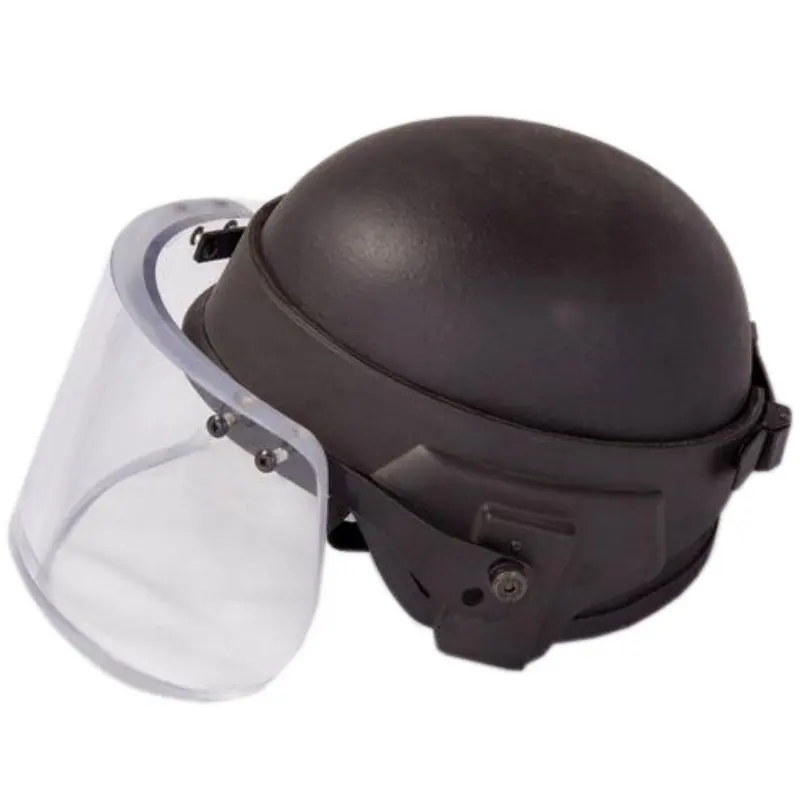
Why Product Testing Matters in Police and Security Equipment Procurement?
Subtitle:
How professional buyers reduce risks by focusing on product verification, durability, and performance consistency
In the police and security equipment industry, product appearance alone is never enough.
For importers, distributors, and government procurement buyers, the real concern is whether the equipment can perform reliably in actual working conditions. This is why product testing has become an increasingly important part of the purchasing process.
As global buyers become more professional and procurement standards continue to rise, product verification is no longer viewed as optional — it is now considered an essential step in reducing operational and commercial risks.
Why Testing Is Important in Security Equipment
Professional Equipment Must Perform Consistently
Products such as:
- expandable batons
- stun batons
- riot shields
- tactical helmets
- anti-riot equipment
are designed for professional use environments.
Unlike ordinary consumer products, these items may be used in situations involving:
- physical impact
- repeated deployment
- outdoor exposure
- emergency response conditions
Because of this, buyers expect stable and reliable performance over long-term use.
Bulk Orders Increase Quality Risks
A sample product may look acceptable, but large-volume production can create inconsistencies if manufacturing control is weak.
Without proper testing, buyers may encounter:
- unstable locking systems
- structural weakness
- surface coating defects
- inconsistent dimensions or weight
For wholesalers and procurement companies, these issues can damage customer trust and create significant after-sales problems.
What Professional Buyers Usually Test
Structural Strength
For expandable batons and tactical products, structural integrity is one of the most important evaluation factors.
Buyers often pay close attention to:
- locking stability
- tube alignment
- resistance to deformation
- overall rigidity during use
Products with weak structural performance may fail under repeated operation.
Material Quality
Material selection directly affects durability and product lifespan.
Professional buyers commonly evaluate:
- alloy strength
- steel hardness
- rubber density
- corrosion resistance
High-grade materials combined with proper manufacturing processes usually provide better long-term reliability.
Surface Treatment and Finishing
Surface quality is not only about appearance.
Good finishing helps improve:
- wear resistance
- corrosion protection
- professional appearance
- product lifespan
For tactical products, matte and non-reflective finishes are often preferred in professional environments.
Why Locking System Testing Is Critical
Expandable Batons Depend on Precision Engineering
One of the most important components of an expandable baton is the locking mechanism.
Whether using:
- disc lock systems
- cam lock systems
- spring-loaded structures
the locking performance must remain stable after repeated deployment and retraction.
Professional buyers often evaluate:
- deployment smoothness
- locking security
- release consistency
- long-term mechanical reliability
This is especially important in law enforcement and tactical applications.
Testing Helps Prevent Long-Term Business Problems
Reducing Customer Complaints
Products with unstable quality can quickly create:
- return requests
- negative feedback
- reputation damage
For distributors, consistent product performance is essential for maintaining long-term customer relationships.
Testing helps identify potential issues before products reach the market.
Protecting Project Performance
For government tenders and institutional procurement, product quality problems may affect:
- contract execution
- delivery acceptance
- future cooperation opportunities
Because of this, project buyers usually place significant importance on testing standards and manufacturing consistency.
Why Manufacturing Experience Matters
Experienced Manufacturers Understand Testing Requirements
Professional manufacturers typically integrate testing into the production process.
This may include:
- raw material inspection
- structural testing
- function verification
- random batch inspection
Suppliers with long-term manufacturing experience usually have better understanding of product reliability requirements.
Stable Production Creates Stable Quality
Testing alone is not enough if production itself is inconsistent.
Reliable suppliers combine:
- standardized production systems
- precision machining
- controlled assembly procedures
- structured quality management
This creates better consistency across bulk orders.
How Buyers Can Improve Procurement Decisions
Evaluate More Than Product Appearance
Professional buyers should focus on:
- structural performance
- manufacturing precision
- durability under repeated use
- long-term reliability
Products that look similar externally may perform very differently in actual use.
Work with Suppliers That Understand Professional Markets
Suppliers familiar with:
- law enforcement requirements
- tactical applications
- export procedures
- project procurement standards
are often better prepared to support professional buyers effectively.
This reduces operational risks and improves long-term cooperation stability.
Market Trends: Higher Standards, More Professional Procurement
The global security equipment market is becoming increasingly professional.
Buyers are now placing greater emphasis on:
- verified product quality
- operational reliability
- manufacturing capability
- long-term supplier stability
As competition grows, suppliers who prioritize quality control and testing are more likely to build sustainable business relationships in international markets.
Conclusion
In police and security equipment procurement, product testing is not simply about checking specifications — it is about ensuring reliability, consistency, and long-term operational performance.
For importers, distributors, and project buyers, proper product evaluation helps reduce risks, improve customer satisfaction, and strengthen market competitiveness.
As procurement standards continue to evolve globally, professional testing and stable manufacturing quality are becoming key factors in successful long-term cooperation.
Table of Contents
- Subtitle:
- Why Testing Is Important in Security Equipment
- What Professional Buyers Usually Test
- Why Locking System Testing Is Critical
- Testing Helps Prevent Long-Term Business Problems
- Why Manufacturing Experience Matters
- How Buyers Can Improve Procurement Decisions
- Market Trends: Higher Standards, More Professional Procurement
- Conclusion