 En
En
 CN
CN
 AR
AR
 NL
NL
 FR
FR
 DE
DE
 HI
HI
 IT
IT
 JA
JA
 KO
KO
 PT
PT
 RU
RU
 ES
ES
 ID
ID
 VI
VI
 TH
TH

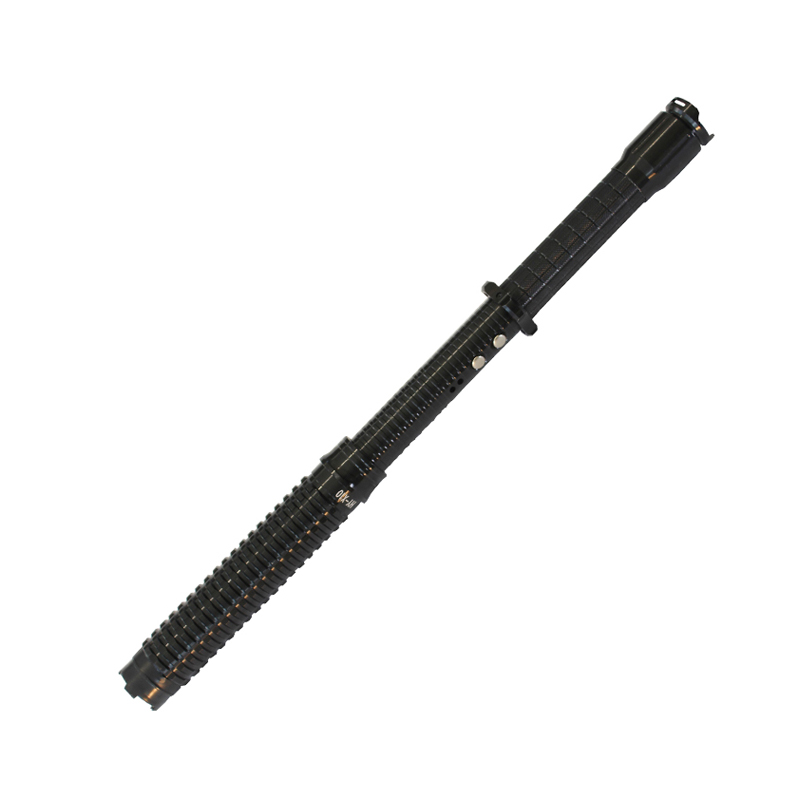
Why Does Product Consistency Matter When Buying Stun Guns in Bulk?
What Importers, Wholesalers, and Tender Suppliers Should Know Before Placing Repeat Orders
For an importer, receiving a satisfactory sample is an important first step. But for a wholesale order, the real test begins when production moves from one sample to a large batch.
A professional buyer needs more than one good product. They need confidence that the products in every shipment will maintain consistent specifications, appearance, assembly quality, and expected performance.
This is especially important for stun guns and stun batons. When a distributor introduces a product to its market, customers expect the next shipment to be consistent with the products they have already purchased.
For this reason, batch-to-batch consistency should be one of the key considerations when selecting a long-term manufacturing partner.
Why Is One Good Sample Not Enough?
A Sample Represents the Product, Not the Entire Production Process
A sample allows a buyer to evaluate a product before making a larger purchasing decision.
It can help the buyer examine:
-
design
-
materials
-
workmanship
-
functions
-
packaging
-
overall product quality
But a sample alone cannot demonstrate how consistently a manufacturer can reproduce the same product over multiple production batches.
For wholesale buyers, this distinction is important.
Bulk Orders Test Manufacturing Capability
Producing one sample and producing a large quantity are two different tasks.
A manufacturer needs established production procedures and quality-control processes to maintain consistency throughout a production run.
This is where manufacturing experience becomes particularly valuable.
What Does Product Consistency Mean?
Consistent Appearance
For distributors and private-label brands, appearance matters.
Products from different batches should maintain consistent:
-
dimensions
-
surface finish
-
colors
-
logos and markings
-
packaging
Consistency gives the product line a more professional appearance and helps protect the distributor's brand image.
Consistent Assembly Quality
Electronic security equipment contains multiple components that must be assembled correctly.
A professional manufacturing process should control assembly procedures rather than relying solely on final visual inspection.
Consistent assembly helps reduce unnecessary quality issues and supports stable product performance.
Consistent Product Specifications
Wholesale buyers normally establish product specifications before placing an order.
When subsequent orders are placed, maintaining those agreed specifications becomes increasingly important.
This is particularly relevant for distributors that keep inventory for repeat customers or develop products under their own brand.
Why Is Quality Control Important During Production?
Quality Control Should Not Start at the Final Inspection
A strong quality-management system monitors more than finished products.
Quality needs to be considered throughout the manufacturing process, including components, assembly, functional inspection, and final product inspection.
This approach helps manufacturers identify potential problems earlier rather than discovering them only after production has been completed.
Final Inspection Provides an Additional Check
Finished products should be inspected before shipment to confirm that they meet the agreed requirements.
For international wholesale orders, final inspection can provide an additional level of confidence before products enter the buyer's supply chain.
KELIN operates under ISO9001 quality management standards and provides products with CE, RoHS, and test reports from authoritative organizations where applicable.
For professional buyers, these documents can form part of the overall supplier evaluation rather than being considered in isolation.
Why Does Consistency Matter to Distributors?
Your Customers See Your Brand, Not Your Factory
When an importer sells a product under its own company or brand, the end customer usually does not know which factory manufactured it.
If quality changes from one shipment to another, the distributor is the company that must deal with the customer's concerns.
This makes supplier selection a direct part of brand management.
Consistency Supports Repeat Business
A customer who is satisfied with a product expects the next purchase to provide the same experience.
Reliable batch consistency makes it easier for distributors to:
-
maintain customer confidence
-
manage repeat orders
-
reduce unnecessary returns
-
maintain product specifications
-
develop long-term customer relationships
For wholesale businesses, repeat customers are an important part of sustainable growth.
Why Is This Especially Important for OEM Buyers?
Private-Label Products Depend on Consistency
When a distributor develops its own private-label product, the manufacturer's role becomes even more important.
The product is no longer simply another item in a catalog. It becomes part of the buyer's brand.
The same product identity should therefore be maintained across future production.
This can include:
-
product markings
-
packaging
-
manuals
-
appearance
-
agreed specifications
Long-Term OEM Cooperation Requires Stable Production
A private-label project may continue for years.
As orders are repeated, the buyer needs a manufacturer capable of maintaining established standards while supporting reasonable product development and customization requirements.
This is one reason why OEM buyers should evaluate the manufacturer's long-term capability rather than focusing only on the initial sample.
What Should Importers Ask a Manufacturer Before a Bulk Order?
Can You Maintain the Same Specifications?
Buyers should clearly confirm the product specifications before production begins.
Clear communication helps both sides establish the same expectations.
How Is Quality Checked?
It is useful for buyers to understand how the manufacturer manages quality during production and before shipment.
Questions about inspection and testing can help buyers better evaluate the supplier's manufacturing system.
Can You Support Repeat Orders?
A supplier may successfully complete one order but still be unsuitable for long-term cooperation.
Importers should consider whether the manufacturer can support future orders with consistent products and stable production capability.
Why Does Manufacturing Experience Matter?
Experience Helps Build Standardized Processes
KELIN has specialized in police, military, and civilian security equipment since 1993 and has been exporting internationally since 2001.
More than three decades of manufacturing experience provides a foundation for developing standardized production and quality-management practices.
For international buyers, this type of experience can be particularly valuable when establishing a long-term supply relationship.
A Manufacturer Should Grow With the Customer
A distributor's needs can change over time.
A company may begin with stun guns and later expand into stun batons, police batons, expandable batons, riot control equipment, or bulletproof equipment.
A manufacturer with a broader security equipment portfolio can potentially support this development and reduce the need to manage multiple unrelated suppliers.
Conclusion
For wholesale buyers, a successful sample is only the beginning of the purchasing process.
The real value of a professional manufacturer is the ability to reproduce the agreed product consistently across production batches and future orders.
For importers, distributors, OEM brands, and tender suppliers, product consistency helps protect customer relationships, maintain brand reputation, and build a more reliable supply chain.
When evaluating a stun gun manufacturer, look beyond the sample. Consider manufacturing experience, quality management, production capability, export experience, and the supplier's ability to support long-term cooperation.
A reliable manufacturer does not simply produce a good product once. The real test is whether they can keep producing it to the expected standard over time.
Table of Contents
- What Importers, Wholesalers, and Tender Suppliers Should Know Before Placing Repeat Orders
- Why Is One Good Sample Not Enough?
- What Does Product Consistency Mean?
- Why Is Quality Control Important During Production?
- Why Does Consistency Matter to Distributors?
- Why Is This Especially Important for OEM Buyers?
- What Should Importers Ask a Manufacturer Before a Bulk Order?
- Why Does Manufacturing Experience Matter?
- Conclusion
