En
En
 CN
CN
 AR
AR
 NL
NL
 FR
FR
 DE
DE
 HI
HI
 IT
IT
 JA
JA
 KO
KO
 PT
PT
 RU
RU
 ES
ES
 ID
ID
 VI
VI
 TH
TH

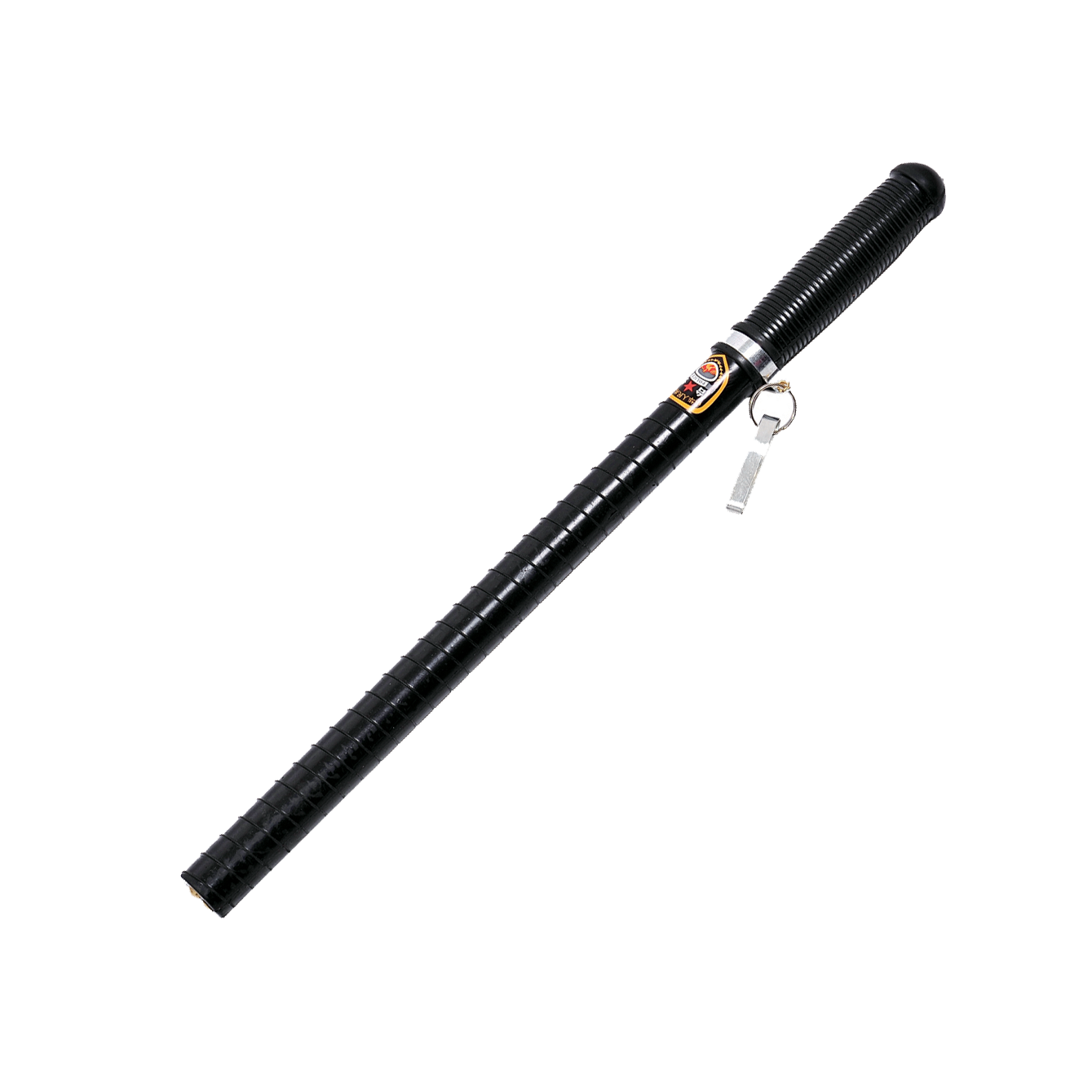
What Does MOQ Really Mean When Buying Police Equipment from Manufacturers?
Subtitle:
Understanding minimum order quantity, production logic, and how importers can negotiate smarter purchasing terms
In the global police and security equipment industry, one of the most common questions from importers and distributors is:
“What is your MOQ?”
MOQ, or Minimum Order Quantity, is often misunderstood as a fixed limitation. In reality, it is closely related to manufacturing efficiency, production planning, material usage, and overall factory operation structure.
For professional buyers, understanding how MOQ works can help optimize purchasing strategies, reduce costs, and build more flexible supply chains.
{TOC}
What Is MOQ in Police Equipment Manufacturing?
MOQ Is Not Just a Number
MOQ refers to the minimum quantity a manufacturer requires for production.
However, in real manufacturing practice, MOQ is influenced by several factors:
- production setup cost
- raw material procurement
- machine adjustment time
- labor allocation
- packaging requirements
For products like expandable batons, stun batons, and tactical equipment, these factors directly affect production efficiency.
Different Products Have Different MOQ Levels
Not all police equipment shares the same MOQ requirements.
For example:
- simple standardized models may have lower MOQ
- customized OEM products usually require higher MOQ
- packaging customization may also increase MOQ
Understanding this helps buyers plan orders more effectively.
Why Do Manufacturers Set MOQ?
Production Efficiency Considerations
Manufacturers must balance efficiency and cost.
Small production batches often increase:
- machine setup time
- material waste
- labor cost per unit
MOQ helps maintain stable production efficiency and reasonable pricing structure.
Raw Material Purchasing Requirements
Many components and materials are purchased in bulk.
Suppliers often require minimum purchase quantities, which indirectly affects MOQ.
This is especially true for:
- steel components
- aluminum alloy parts
- packaging materials
- customized accessories
How MOQ Affects Importers and Distributors
Higher MOQ Can Be a Strategic Advantage
While MOQ may seem like a limitation, it can actually benefit professional buyers by:
- lowering unit cost
- improving product consistency
- ensuring stable production batches
- reducing variation in quality
For distributors, larger batches often mean better market competitiveness.
Inventory Planning Becomes Important
MOQ requires buyers to plan:
- sales volume
- storage capacity
- market demand
- cash flow
Professional importers treat MOQ as part of overall business strategy rather than a barrier.
Can MOQ Be Flexible?
Flexibility Depends on Cooperation Level
MOQ is not always fixed.
Manufacturers may adjust MOQ based on:
- long-term partnership
- repeat orders
- OEM branding projects
- product standardization level
Strong relationships often lead to more flexible terms.
Sample Orders vs Bulk Orders
Manufacturers usually differentiate between:
- sample orders (small quantity, evaluation purpose)
- trial orders (market testing)
- bulk production orders (standard MOQ applies)
Understanding this structure helps buyers communicate more effectively.
How Experienced Buyers Manage MOQ Challenges
Combining Orders Strategically
Importers often combine multiple models into one production batch to meet MOQ requirements.
This helps:
- optimize production cost
- diversify product range
- reduce inventory risk
Long-Term Planning Reduces Pressure
Instead of focusing on single orders, professional buyers plan:
- quarterly demand
- annual procurement cycles
- multi-market distribution
This approach makes MOQ easier to manage.
MOQ and OEM Projects
Customization Often Increases MOQ
OEM projects usually involve:
- mold adjustments
- logo application
- packaging design
- production setup changes
These factors increase production complexity and therefore MOQ requirements.
But OEM Also Increases Value
Although MOQ may be higher, OEM products provide:
- stronger brand identity
- higher profit margins
- better market differentiation
For distributors, this often leads to better long-term returns.
Conclusion
MOQ is not simply a restriction—it is a reflection of manufacturing structure, production efficiency, and supply chain logic.
For importers, distributors, and government procurement buyers, understanding MOQ helps improve purchasing decisions, optimize costs, and build more stable supplier relationships.
In the police and security equipment industry, successful buyers do not avoid MOQ—they learn how to use it strategically to strengthen their business competitiveness.