 En
En
 CN
CN
 AR
AR
 NL
NL
 FR
FR
 DE
DE
 HI
HI
 IT
IT
 JA
JA
 KO
KO
 PT
PT
 RU
RU
 ES
ES
 ID
ID
 VI
VI
 TH
TH

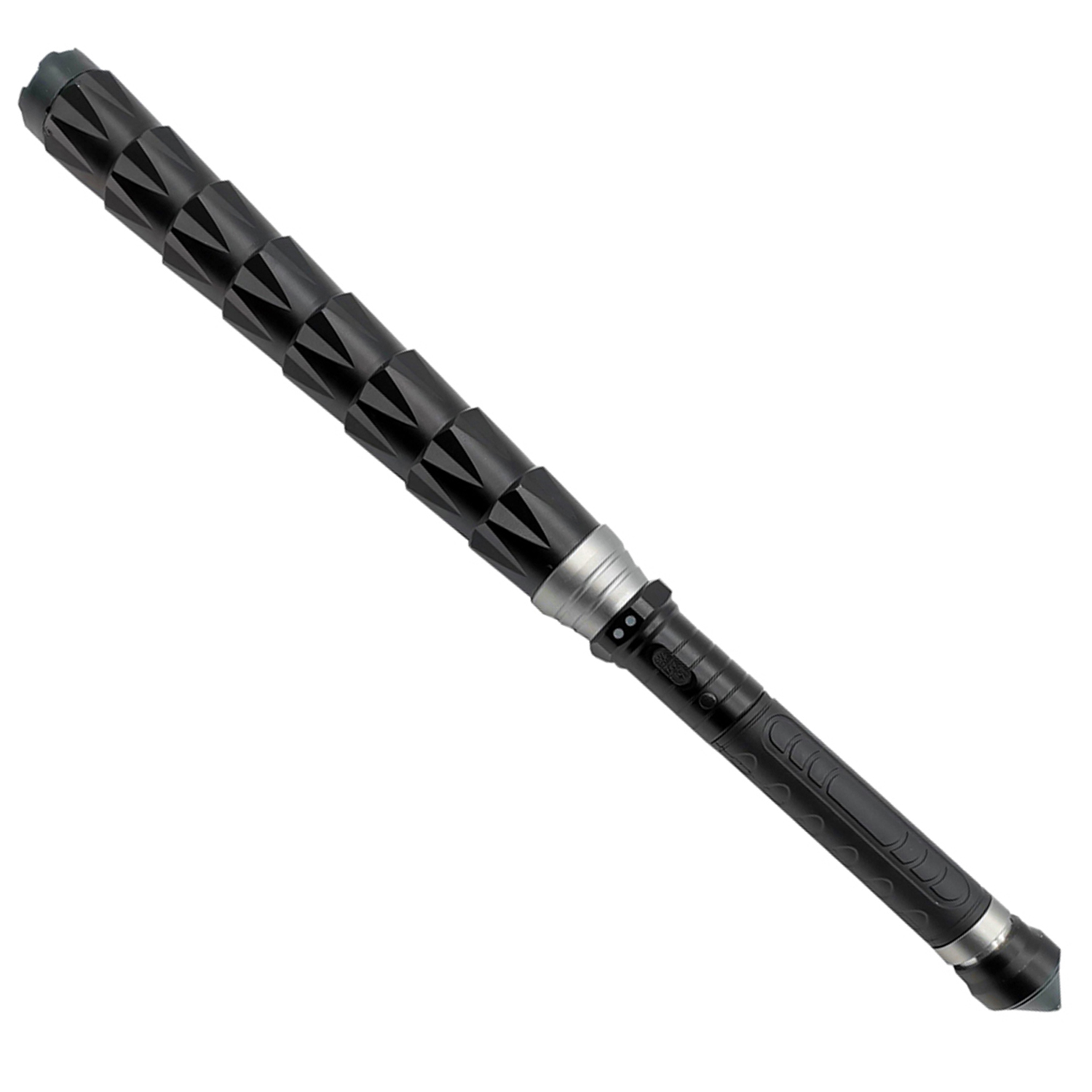
How Can Importers Build the Right Stun Gun and Stun Baton Product Line?
A Practical Guide for Wholesale Distributors, Security Equipment Suppliers, and Private Label Brands
For an importer or wholesale distributor, choosing one good security product is only the beginning.
The bigger question is whether the product line can serve different customer groups, applications, and market requirements.
This is particularly important in the stun gun and stun baton market. Different buyers may have very different expectations regarding product size, design, handling, portability, and intended application.
Instead of purchasing a single model and hoping it fits every customer, professional distributors can build a more balanced product portfolio around several product types.
A well-planned product line can make it easier to serve different customers, strengthen a private-label brand, and create more opportunities for repeat business.
{TOC}
Why Should Importers Think About the Whole Product Line?
Different Customers Have Different Requirements
A distributor may sell to several types of customers at the same time.
For example, a security equipment importer may serve:
-
security companies
-
professional distributors
-
law enforcement suppliers
-
private security organizations
-
government procurement contractors
-
retailers specializing in personal security products
These customers do not necessarily require the same type of product.
A compact stun gun may appeal to customers who prioritize portability, while a stun baton may be more suitable for professional users who require a longer form factor.
A Broader Product Range Creates More Sales Opportunities
When a distributor offers several related products, customers have more options to choose from.
Instead of losing a potential customer because one model does not fit their requirements, the distributor can recommend another suitable product within the same product family.
This makes the product portfolio more flexible and commercially useful.
What Is the Difference Between a Stun Gun and a Stun Baton?
Stun Guns Focus on Compactness and Portability
Traditional stun guns are generally designed around a compact form factor.
For distributors, compact products can be attractive because they are easy to include in a broader self-defense or security equipment portfolio.
Their smaller design may also make them suitable for customers looking for portable equipment.
Stun Batons Provide a Different Product Positioning
A stun baton combines an electronic deterrent function with an elongated baton-style design.
The longer format gives the product a different handling profile and allows distributors to target customers looking for a more substantial professional-style product.
For a wholesale business, having both categories can help address different market segments rather than forcing every customer toward the same product.
How Should Distributors Decide Which Models to Offer?
Start With the Target Market
The first question should not be "Which model is the best?"
Instead, ask:
Who will buy this product?
A distributor serving professional security equipment dealers may require a different product portfolio from a company supplying consumer-oriented security products.
Understanding the target market helps determine which product categories should receive priority.
Consider Product Positioning
Each model should have a clear position within the product portfolio.
For example, a distributor may organize its range around:
-
compact products
-
standard products
-
extended baton-style products
-
professional security equipment
-
private-label products
Clear positioning makes it easier for sales teams and customers to understand the differences between products.
Why Is Product Consistency Important for Wholesale Buyers?
Customers Expect the Same Product Every Time
Once a distributor establishes a successful product, repeat customers expect future shipments to maintain consistent specifications and appearance.
Inconsistent manufacturing can create problems for:
-
inventory management
-
customer service
-
product replacement
-
private-label branding
For this reason, manufacturing consistency should be considered when selecting a supplier.
Stable Manufacturing Supports Long-Term Distribution
A wholesale distributor may start with one product and gradually expand its range.
An experienced manufacturer should be able to support this development with consistent production standards across different product models.
This creates a more efficient relationship as the distributor's business grows.
How Can OEM Manufacturing Help Build a Complete Product Line?
One Brand Can Cover Multiple Product Categories
Private-label manufacturing allows distributors to develop several products under the same brand identity.
Instead of selling unrelated products from different manufacturers, a company can create a unified range with consistent:
-
logos
-
packaging
-
product identification
-
manuals
-
brand presentation
A consistent product family creates a more professional appearance in the market.
Product Expansion Becomes Easier
Once a distributor has established its brand, additional products can be introduced gradually.
A company may begin with selected stun guns and later expand into stun batons and other professional security equipment.
This approach allows businesses to build their product portfolio step by step.
What Should Government Procurement Suppliers Consider?
Procurement Projects Often Require Product Variety
Government and institutional projects may involve different operational requirements.
A supplier with a broader product portfolio may be better positioned to respond to different procurement specifications.
However, product selection should always be based on the actual requirements of the tender or purchasing authority.
Documentation and Supplier Capability Matter
For professional procurement projects, buyers may evaluate more than the product itself.
Supplier capability, product documentation, quality management, manufacturing experience, and export experience can all influence the overall procurement decision.
This is why choosing an experienced manufacturer is important for companies serving government and institutional customers.
Why Is the Manufacturer More Important Than the Number of Models?
More Products Do Not Automatically Mean a Better Product Line
A large catalog is not necessarily a strong product strategy.
The better approach is to select products that have clear market positioning and reliable manufacturing support.
A focused range of well-developed products can be more valuable than a large collection of poorly differentiated models.
A Strong Manufacturer Makes Expansion Easier
When a distributor works with an experienced manufacturer, future product development becomes more manageable.
The manufacturer can provide continuity in:
-
production
-
quality management
-
OEM cooperation
-
technical communication
-
export support
This creates a foundation for long-term business development.
Conclusion
Building a successful stun gun and stun baton business is not simply about selecting one popular product.
For importers and wholesale distributors, the stronger strategy is to develop a product line that reflects different customer requirements, applications, and market segments.
Stun guns can provide a compact product category, while stun batons offer a different professional positioning. Together, they can form a more flexible product portfolio for distributors, private-label brands, and security equipment suppliers.
The key is to work with a manufacturer that can provide consistent quality, reliable production, OEM support, and long-term cooperation.
A well-planned product portfolio does not just give customers more choices. It gives distributors more opportunities to build their brands, serve different markets, and develop long-term business relationships.
Table of Contents
- A Practical Guide for Wholesale Distributors, Security Equipment Suppliers, and Private Label Brands
- Why Should Importers Think About the Whole Product Line?
- What Is the Difference Between a Stun Gun and a Stun Baton?
- How Should Distributors Decide Which Models to Offer?
- Why Is Product Consistency Important for Wholesale Buyers?
- How Can OEM Manufacturing Help Build a Complete Product Line?
- What Should Government Procurement Suppliers Consider?
- Why Is the Manufacturer More Important Than the Number of Models?
- Conclusion
